
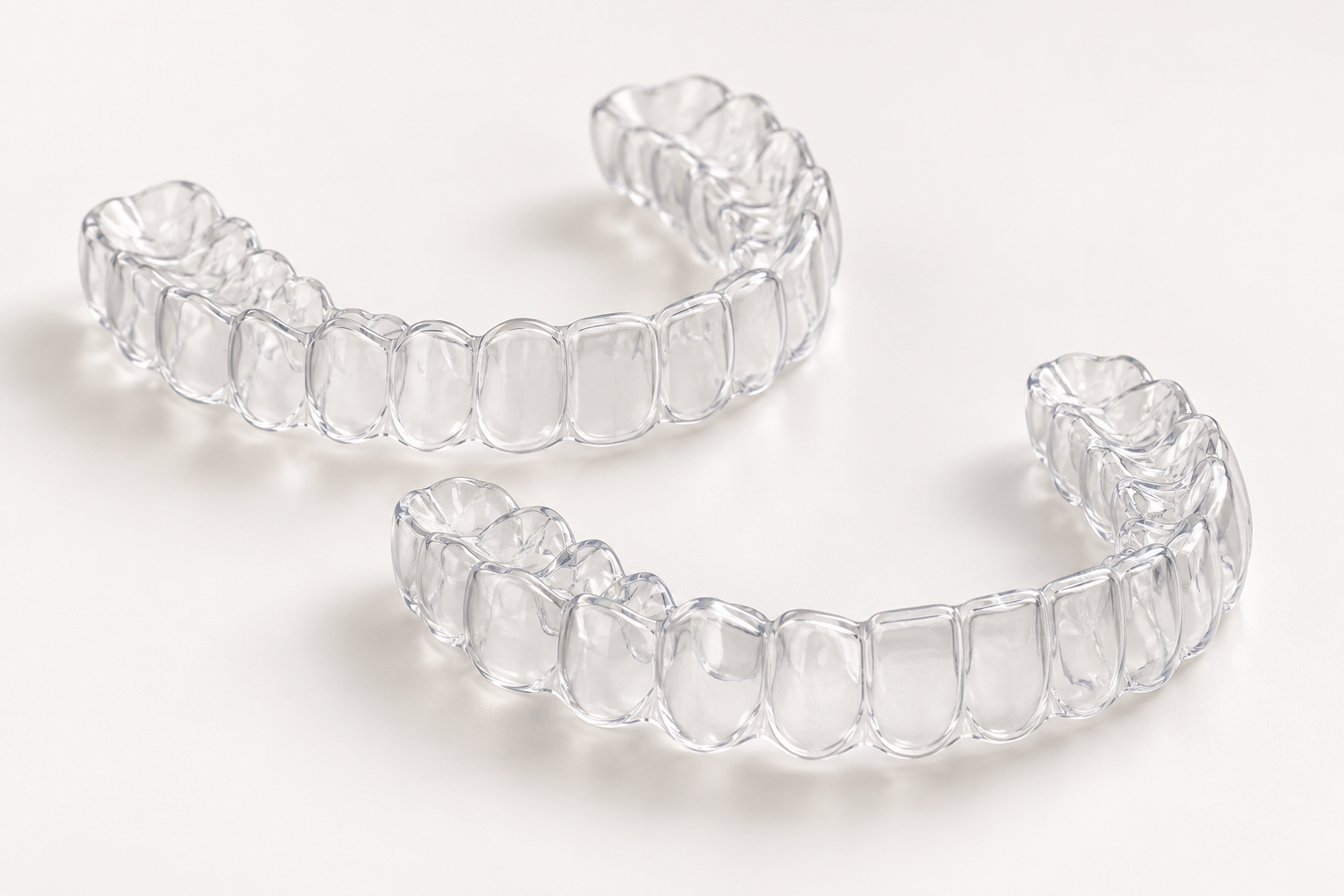
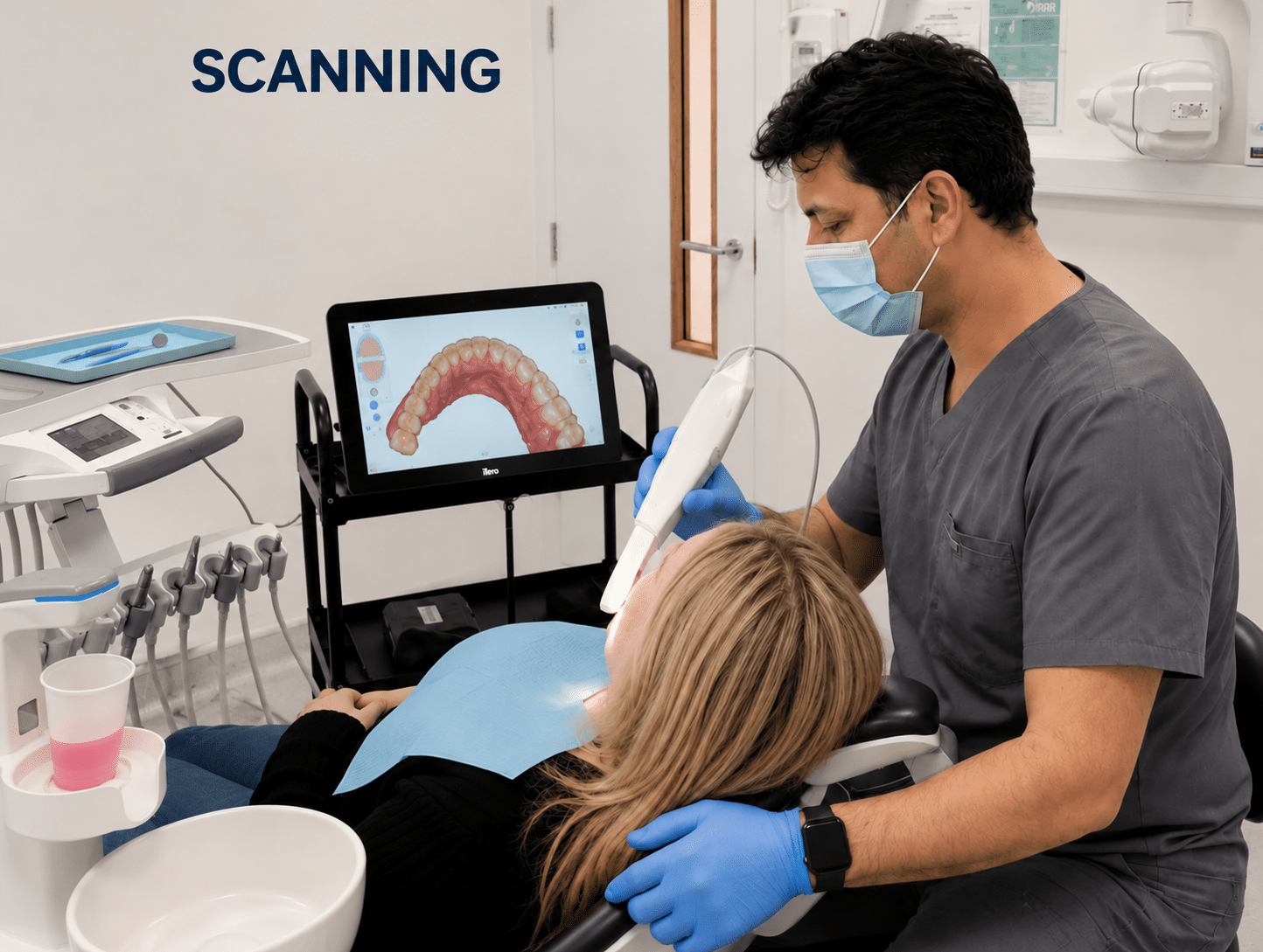
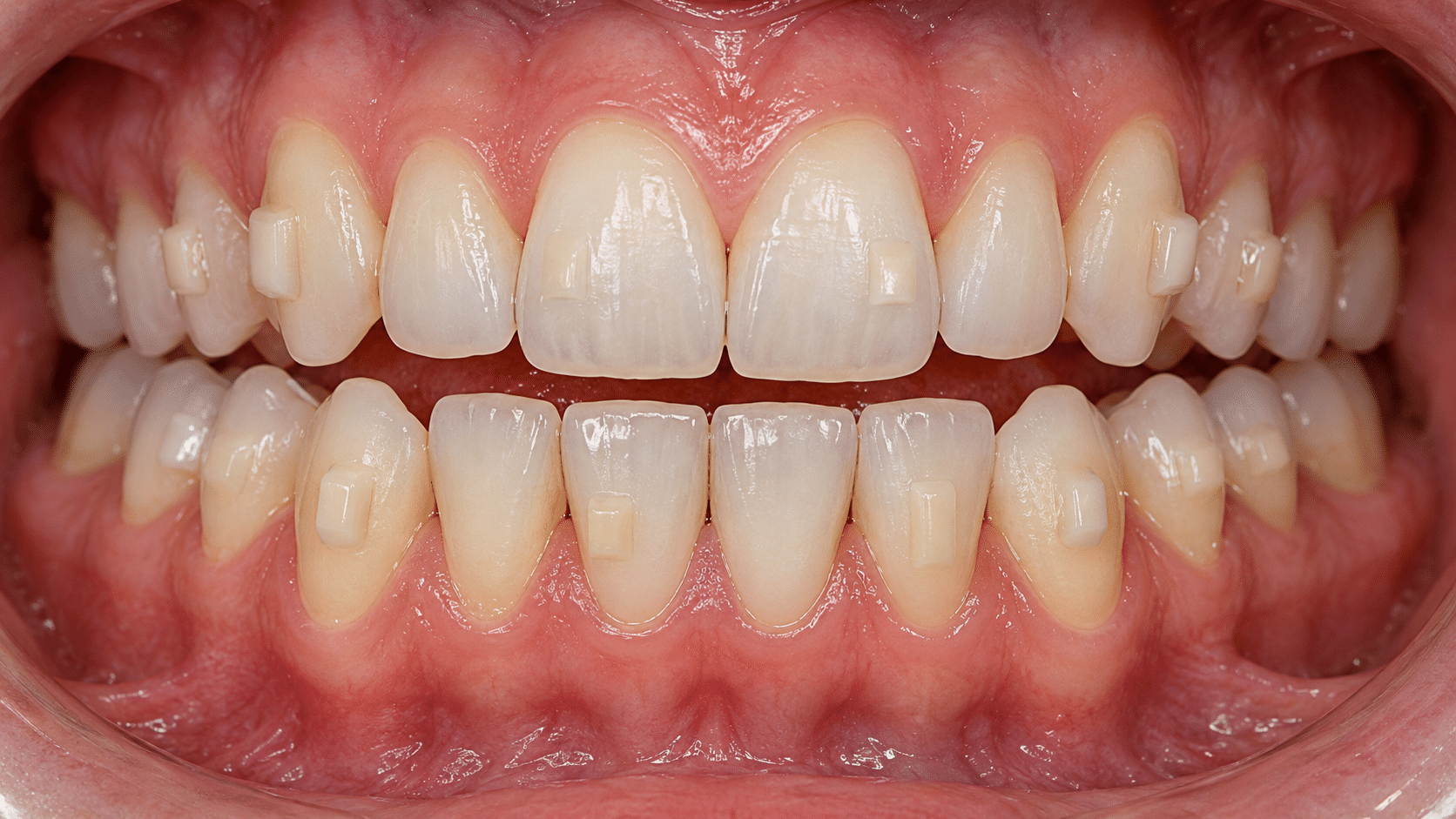
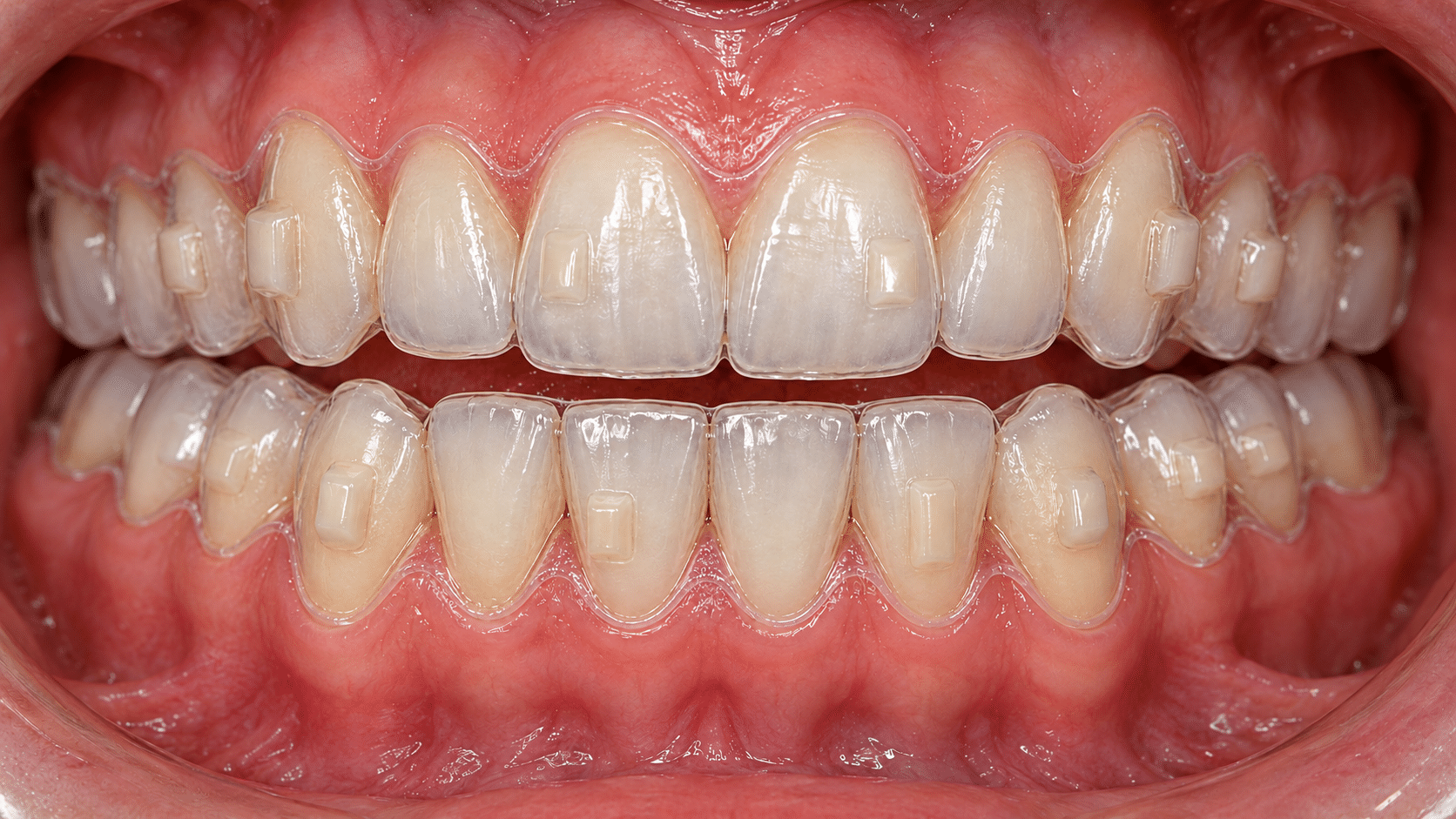
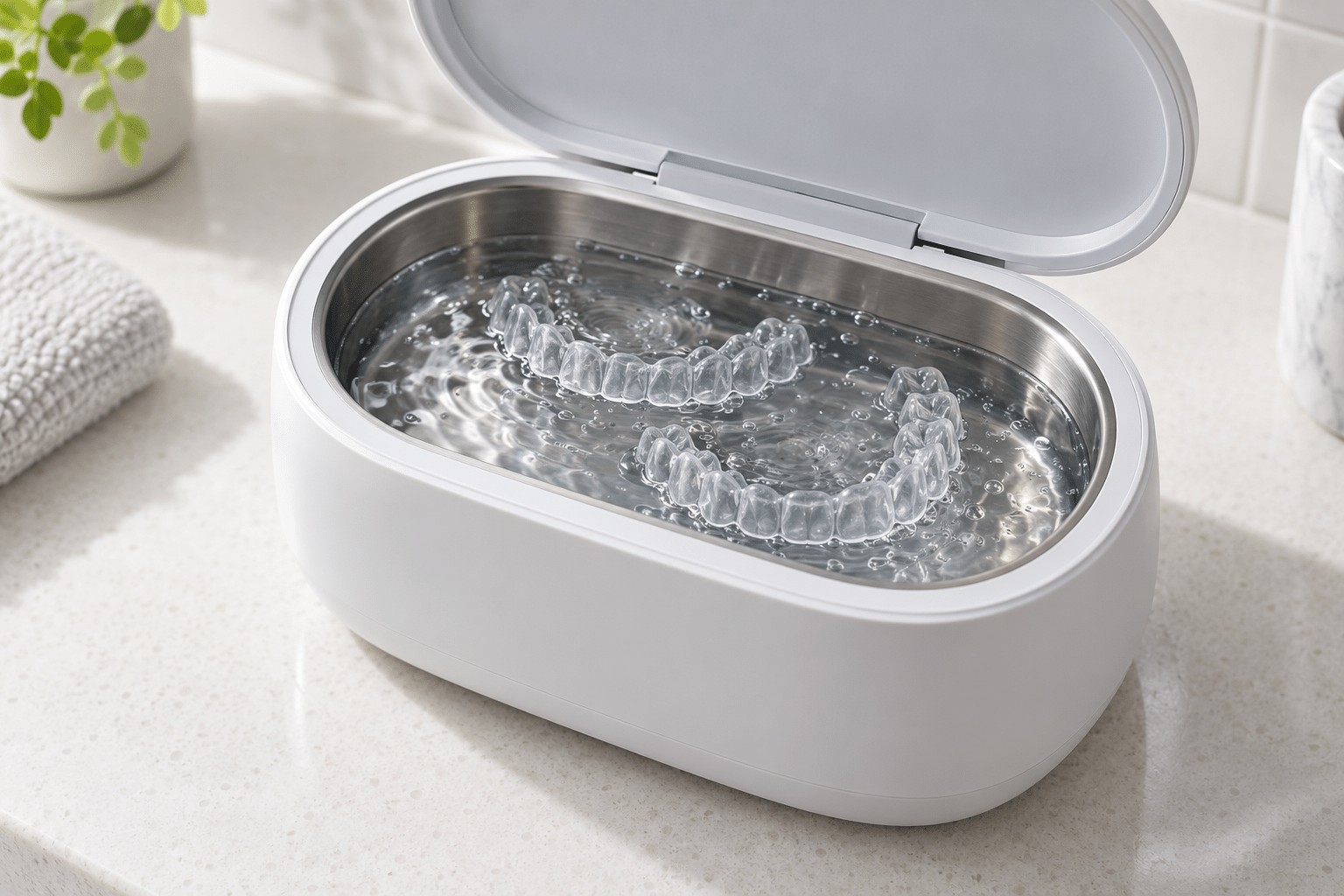
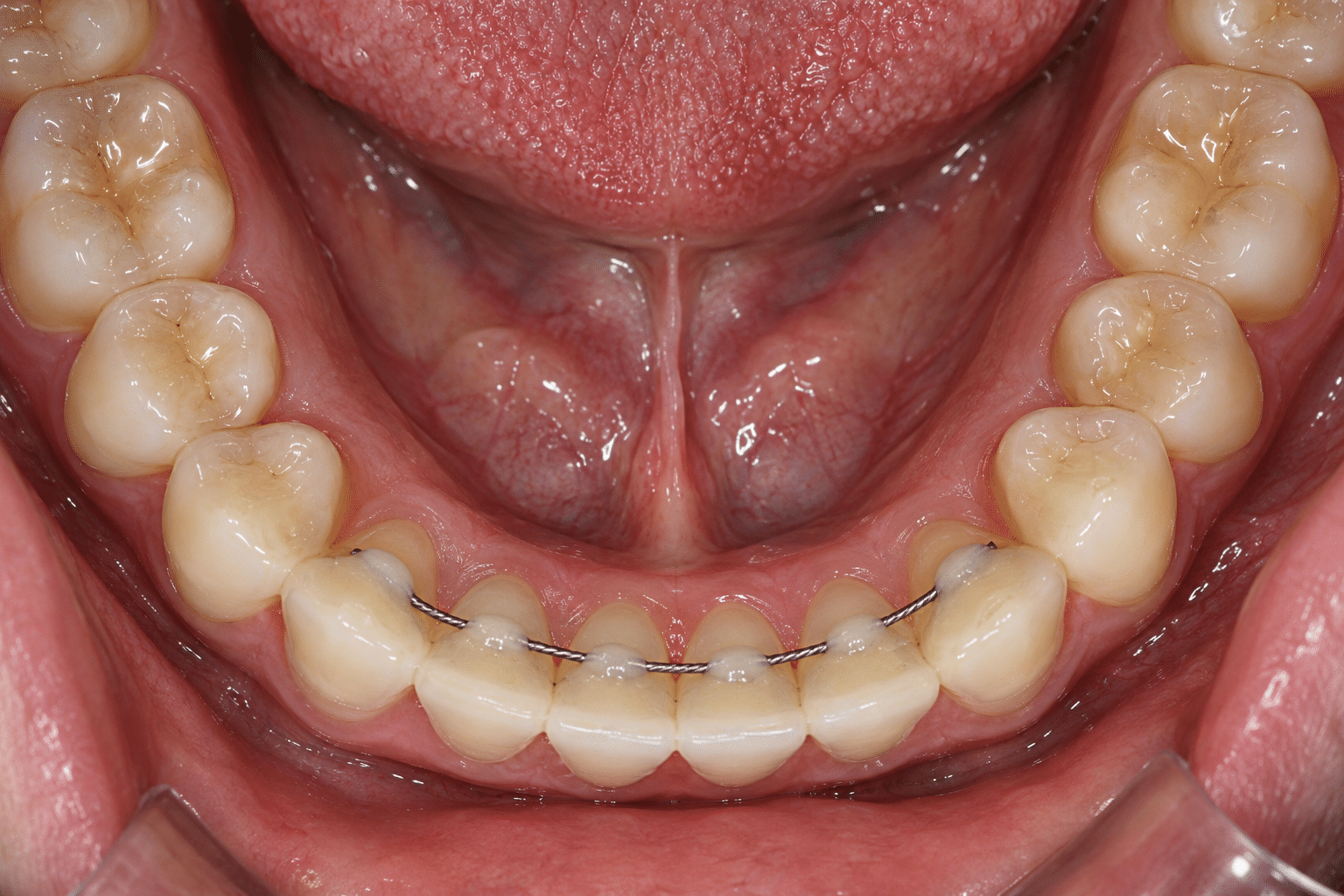
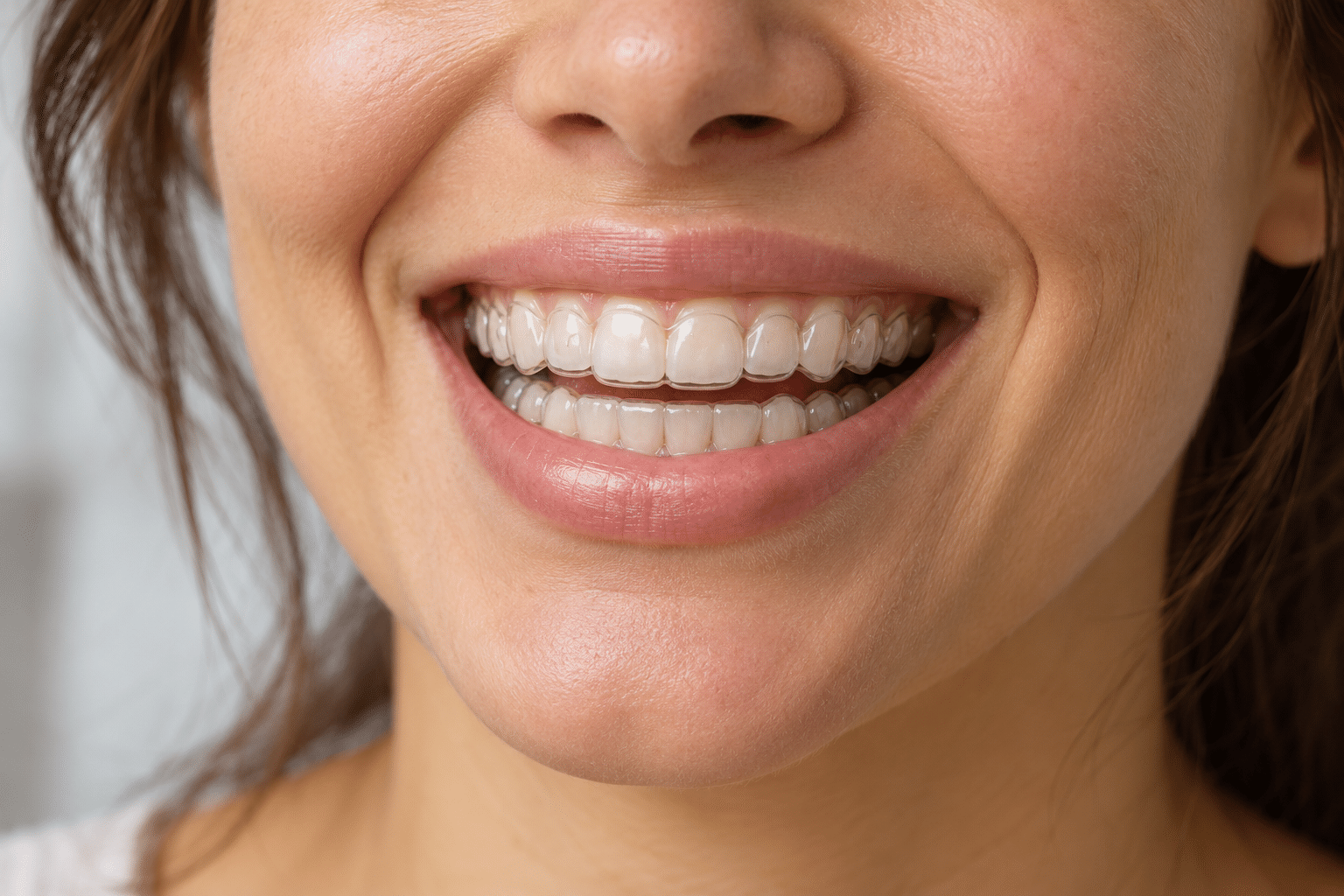
If you are considering straightening your teeth, you may be wondering what happens after your first consultation. How are your aligners made? What are attachments? How often will you need appointments, and what happens when treatment finishes? At Dulwich Dental Centre, we guide patients through each stage, from assessing their teeth and taking a digital scan to looking after their aligners and maintaining their results with retainers. Find out more about Invisalign treatment in East Dulwich. Clear aligners are transparent, removable trays made to fit your teeth. You wear a series of trays in a prescribed order, with each set making a planned adjustment to your tooth positions. Invisalign is a brand name for a particular clear aligner system. It is not the general name for every transparent tray. Other clear aligner brands are available, and their materials, treatment options and instructions can differ. Clear aligners can offer a discreet way to straighten suitable teeth while allowing you to remove your trays for meals and cleaning. Clear aligners may help with crowded teeth, gaps, teeth that have moved after previous treatment and selected bite problems. Your dentist assesses your teeth, gums and bite before recommending treatment. Untreated cavities, active gum disease or poor oral hygiene may need attention first. Some complex tooth movements or jaw relationships are better managed with fixed braces, specialist care or a combination of treatments. Clear aligners also require a commitment to wearing them consistently. The right choice depends on your bite, the movements needed and your preferences. Both approaches require monitoring and retainers afterwards. Before treatment starts, we carry out a clinical assessment to check your oral health. This includes examining for decay, assessing your gums and reviewing your bite. X-rays are taken or existing images reviewed where clinically indicated, helping assess areas that cannot be seen through examination alone. An X-ray does not replace a dental examination or guarantee that every tooth is problem-free. Any necessary treatment is discussed before tooth straightening begins. If you need support with cleaning or gum health, our dental hygienist in East Dulwich can help you prepare for treatment. We use a digital scanner to record the shape of your teeth and how they meet. The scan creates a three-dimensional model for planning your treatment and making your aligners. A digital preview can help you understand the proposed changes. It is a simulation, rather than a promise of the final result. Before your aligners are ordered, we discuss your plan, expected stages, fees, alternatives and relevant risks, and obtain your consent. When your aligners are ready, your fitting appointment may include placing small, tooth-coloured attachments on selected teeth. Attachments are made from dental composite. They act as contact points that help the aligners grip and control particular tooth movements. Their number and position depend on your plan. Some patients also need interproximal reduction, often shortened to IPR. This involves carefully removing a small, measured amount of enamel between selected teeth to create space. IPR is only carried out where appropriate and discussed beforehand. Not everyone needs it, and it may take place at different stages of treatment. After completing any preparation planned for that appointment, we check your first aligners and show you how to insert and remove them. You start with the prescribed first set and work through the numbered sequence. Your dentist explains when to change trays, how long to wear each set and whether you need any additional instructions. Do not skip trays or change them early without advice. Aligners need sustained contact with your teeth to deliver the planned forces. Leaving them out for long periods can interrupt progress and affect the fit of later trays. At your fitting appointment, we explain your prescribed wear time. When advised to wear them for 22 hours a day, this includes wearing them during sleep. Remove them for meals, snacks and drinks other than plain, cool water. Use the remaining time for eating and cleaning, then put them back in promptly. For more information about treatment planning, explore our Invisalign and clear aligner treatment options. At Dulwich Dental Centre, we usually arrange reviews approximately every four weeks, although your schedule depends on your treatment. We check how your teeth are moving, whether your trays fit properly, the condition of your attachments and your oral hygiene. The total number of appointments varies. Your journey may include assessment, scanning, fitting, regular reviews, additional refinement trays and retainer appointments. Some stages can be combined. Contact us earlier if an attachment comes off, a tray breaks or stops fitting, or you develop persistent pain. Whenever you take your aligners out, store them in their protective case. Do not wrap them in tissues, leave them on a table or put them loose in a pocket. Keep the case away from heat and pets, and clean it regularly. After meals, clean your teeth before putting your aligners back in. Brush with fluoride toothpaste and clean between your teeth daily using the method your dental team recommends. If you cannot brush immediately, rinse your mouth and trays with water and clean properly as soon as practical. Clean your aligners daily, including each evening, following the instructions for your particular system: Avoid hot water, abrasive whitening toothpaste and household cleaning chemicals. Heat can distort trays, and unsuitable products can damage them. An ultrasonic pod may be an additional cleaning option if it is suitable for your aligners. If your dental team recommends a weekly pod clean, follow that advice together with the instructions for the device and your aligner system. Use only compatible cleaning solutions and the recommended water temperature. A pod is optional and does not replace daily cleaning or good oral hygiene. At the end of your planned sequence, we assess your tooth positions and bite. Some patients need further trays, called refinements, before active treatment is complete. Once treatment is finished, your dentist removes the attachments as appropriate and arranges your retainers. Aligners move teeth. Retainers help keep them in their new positions. Teeth can move after treatment and continue changing with age. Long-term retention helps protect the result, so your retention plan is an essential part of your journey. A fixed retainer is a thin wire bonded behind selected teeth, often from canine to canine behind the lower front teeth. Upper fixed retainers may also be suitable in some cases. The wire stays in place continuously, but it requires careful cleaning. Plaque and hardened deposits can collect around the wire and bonding material. Regular dental checks and professional dental hygiene appointments help maintain the area. Contact the practice if the wire loosens or breaks. Removable retainers are often clear trays worn over your teeth. They can be taken out, making it easier to clean both your teeth and the appliance. Many patients are prescribed night-time wear for the long term. Some need a different initial schedule, so follow your dentist’s instructions. If you stop wearing them, your teeth may move. A fixed retainer does not always replace the need for a removable one; some patients benefit from both. Invisalign is a brand of clear aligners. Other systems are available, and your dentist can explain the options suitable for your teeth. No. Attachments and interproximal reduction are planned individually according to the movements and space needed. Yes. Sleep forms part of your prescribed daily wear time during active treatment. Remove your aligners for tea, coffee and other drinks apart from plain, cool water. Hot drinks may distort trays, and coloured drinks can stain them. Your dentist estimates the duration after assessment. Complexity, daily wear, tooth movement and refinement stages can affect the timeline. Contact the practice promptly. We need to check your treatment stage before advising on replacement or additional aligners. Do not skip ahead without instructions. Sometimes both are recommended. A fixed wire supports selected teeth, while a removable retainer usually covers a wider part of the arch. Contact the practice for advice. Do not force a badly fitting retainer into place or try to adjust a fixed wire yourself. Whether you are considering treatment or need advice about existing aligners or retainers, our team can help you understand the next step. Dulwich Dental Centre is at 29 Grove Vale, East Dulwich, London SE22 8EQ, near East Dulwich Station. Learn more about Invisalign in East Dulwich. Book an aligner or retainer appointment For starting treatment or discussing replacement and additional aligners. Assessment may be needed before trays can be ordered. This article provides general information. Follow your treating dentist’s individual instructions. Images are AI-generated illustrations and do not show actual patient outcomes.What are clear aligners, and why are they called Invisalign?
Who can have Invisalign or clear aligners?
Clear aligners compared with fixed braces
Clear aligners
Fixed braces
Transparent removable trays
Brackets and wires attached to teeth
Removed for meals and cleaning
Stay in place during meals and cleaning
Depend on following daily wear instructions
Work continuously while attached
Teeth and trays are cleaned separately
Cleaning is needed around brackets and wires
Step 1: Checking your teeth and gums
Step 2: Your digital scan and treatment plan
Step 3: Attachments and creating space where needed
Step 4: Fitting your first aligners
Why do you need to wear your aligners for 22 hours daily?
How often will you need to visit?
How to carry your aligners safely
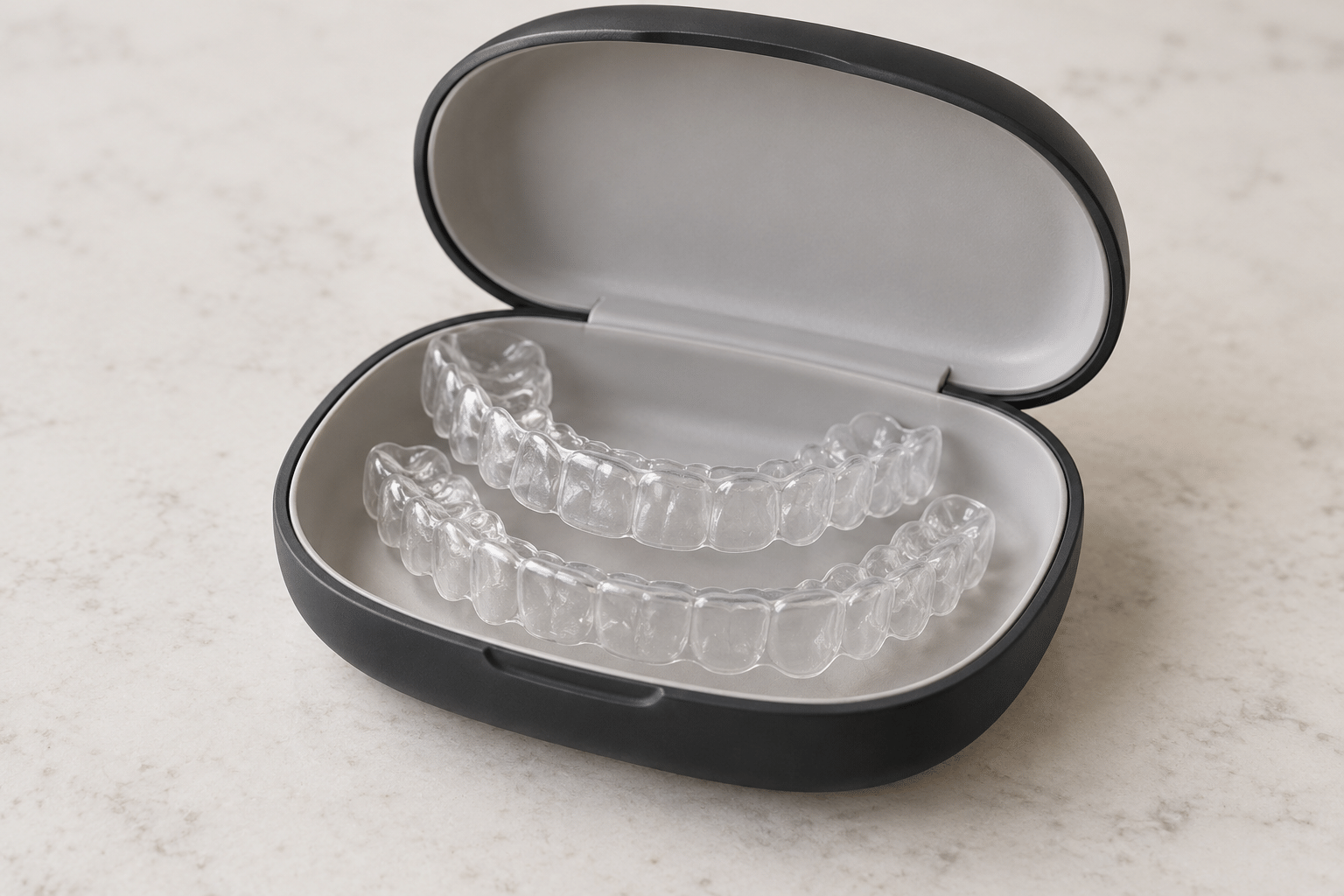
Cleaning your teeth and aligners

Using an ultrasonic cleaning pod
Finishing treatment and removing attachments
Why do you need retainers?
Fixed or “bar” retainers
Removable retainers
Frequently asked questions
Is Invisalign the same as clear aligners?
Does everyone need attachments or filing between teeth?
Can I sleep with my aligners in?
Can I drink tea or coffee while wearing them?
How long does Invisalign treatment take?
What if I lose an aligner or need additional trays?
Can a fixed retainer replace my removable retainer?
What if my retainer becomes tight or no longer fits?
Start your Invisalign journey in East Dulwich
Uncategorized
Invisalign and Clear Aligners: Your Journey from Scan to Retainers
