
Dentures that restore your smile and confidence
Modern dentures are more comfortable, natural-looking and functional than ever before. Whether you have lost one tooth or all of your teeth, our East Dulwich team offers personalised solutions to help you eat, speak and smile with confidence.
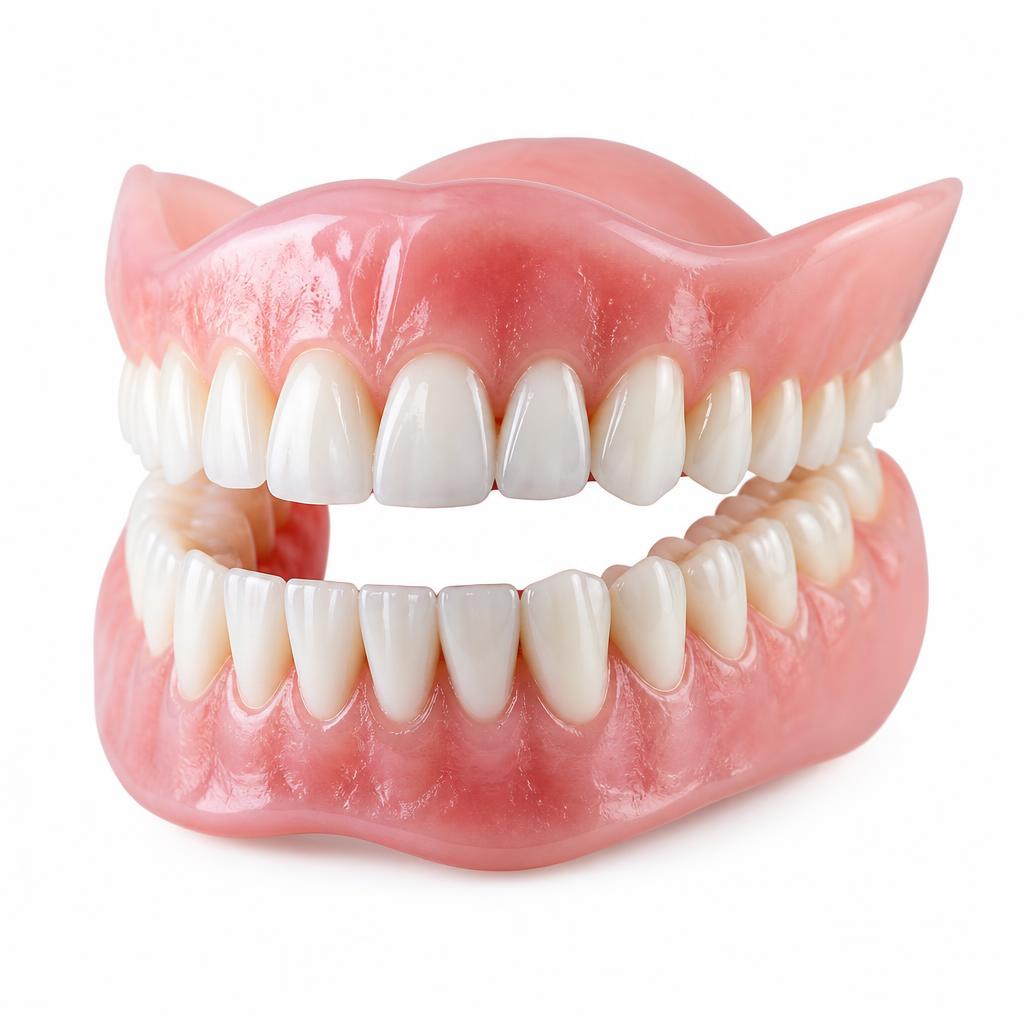
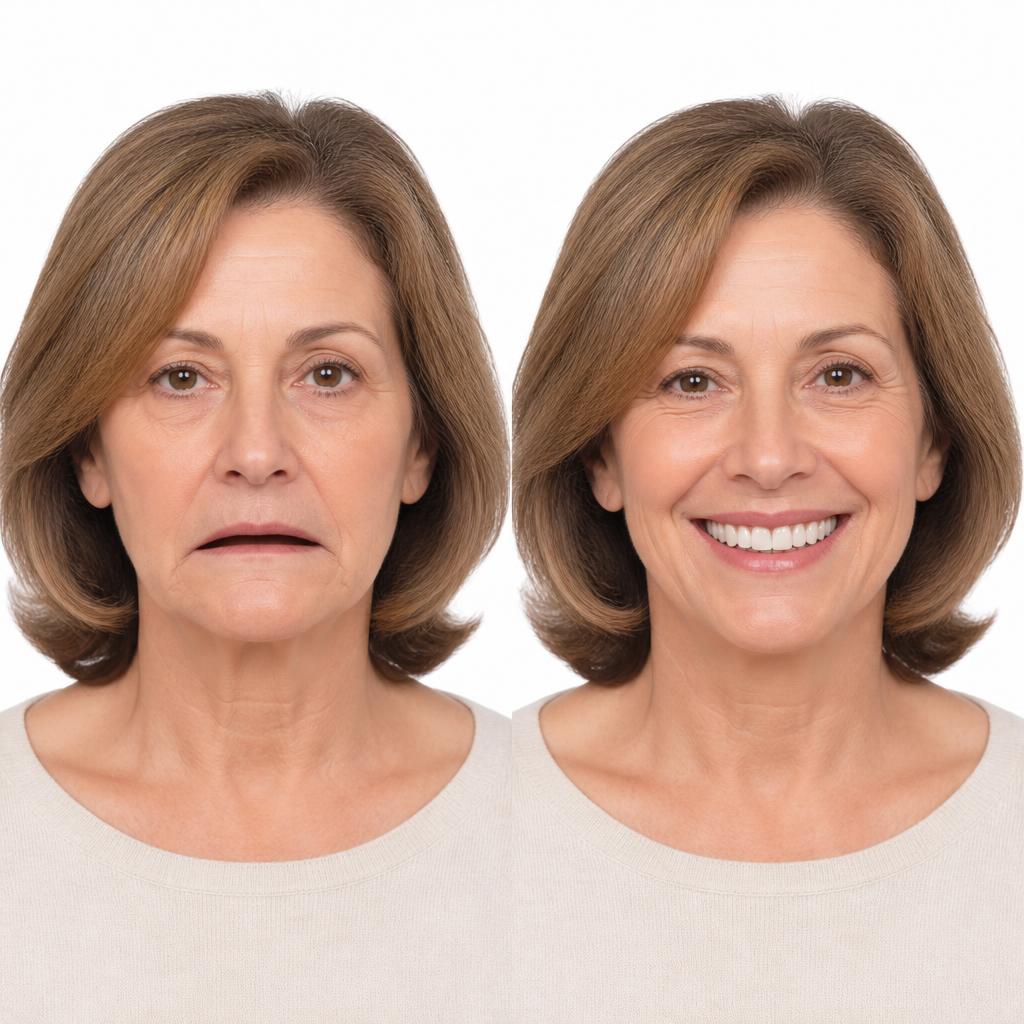
Missing Teeth Replacement
What are dentures?
Dentures are removable prosthetic teeth that replace missing teeth and surrounding gum tissue. Modern dentures are custom-made to fit comfortably and to restore your appearance, chewing ability and speech.
At Dulwich Dental Centre we offer a full range of denture options — from traditional full and partial dentures to premium flexible, cobalt-chrome and implant-retained solutions.
- Restore your smile
- Improve confidence
- Help you eat comfortably
- Improve speech
- Support facial appearance
- Prevent a sunken look after tooth loss
Personalised Options
Different types of dentures
Every mouth is different — the right denture depends on how many teeth are missing, the health of your gums and jawbone, and how you want your smile to look and feel.
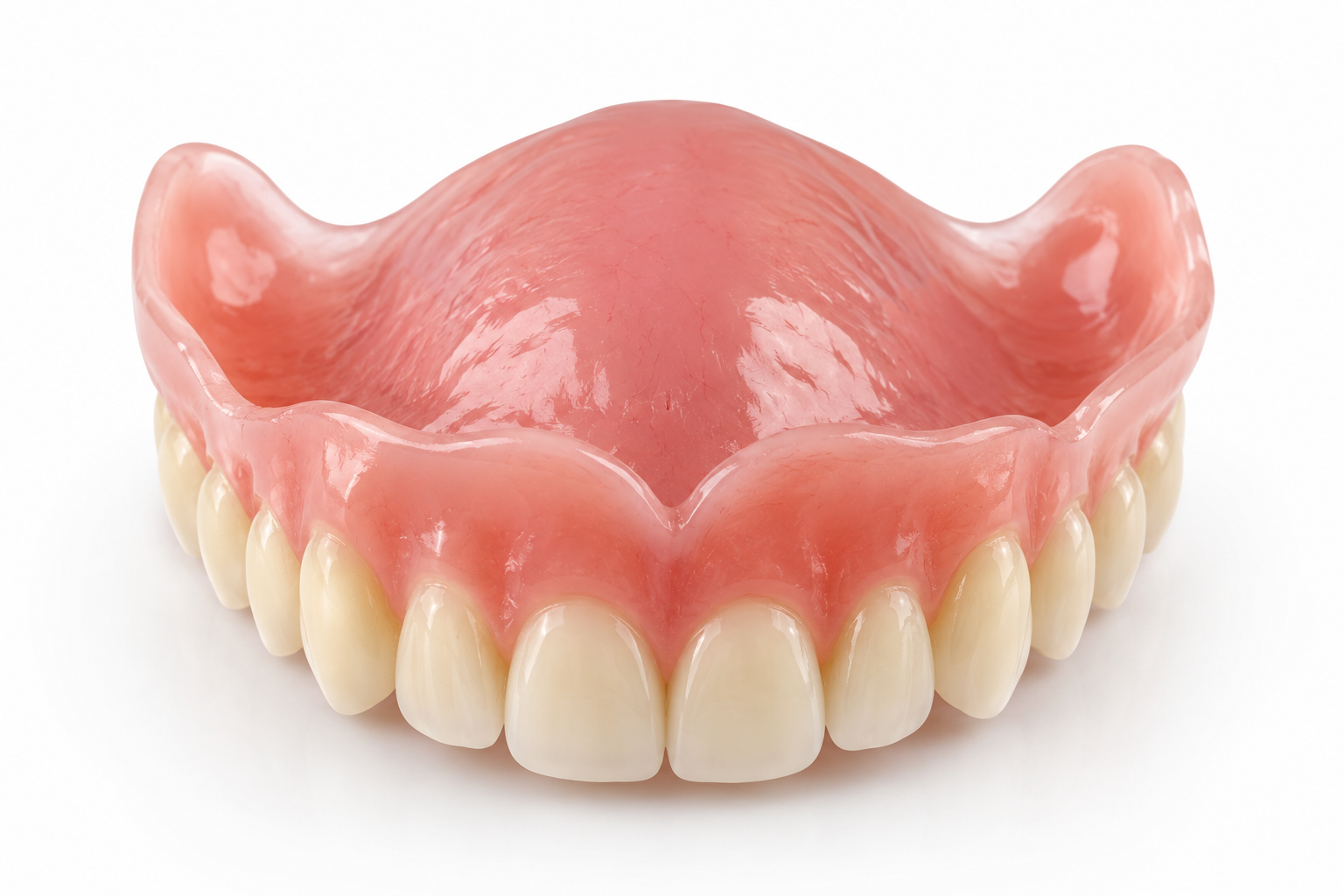
Type 01
Full Dentures
Full dentures replace all of the teeth in one or both jaws. They rest on the gums and are suitable when no natural teeth remain.
- Replace all teeth in upper, lower or both jaws
- Affordable, well-established solution
- Restore appearance, speech and chewing
- Best suited to patients with no remaining natural teeth
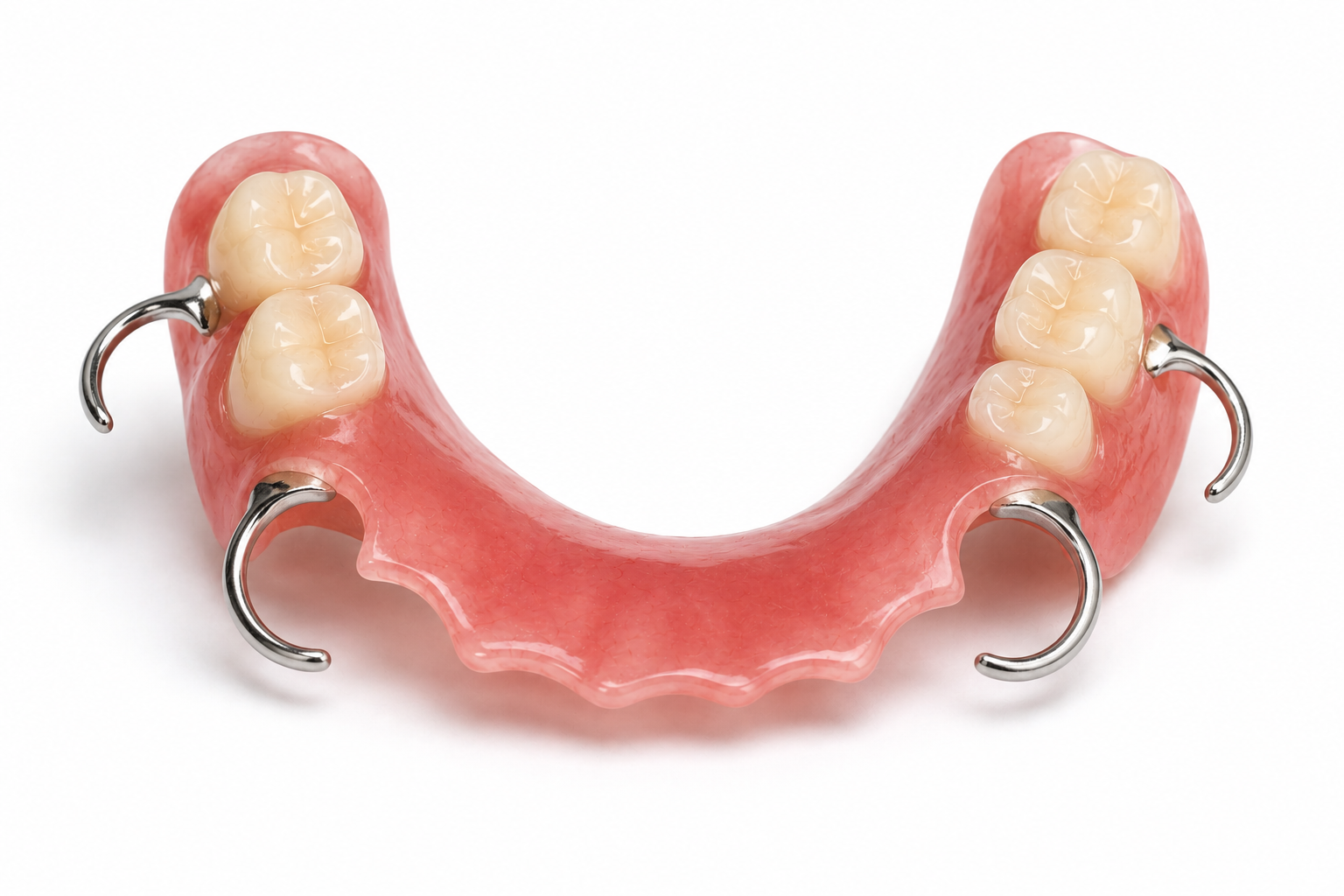
Type 02
Partial Dentures
Partial dentures replace one or several missing teeth and clip onto the remaining healthy teeth. They also help prevent neighbouring teeth from drifting into gaps.
- Conservative, tooth-preserving option
- Clip securely onto remaining natural teeth
- Prevent movement of neighbouring teeth
- Easily removable for cleaning
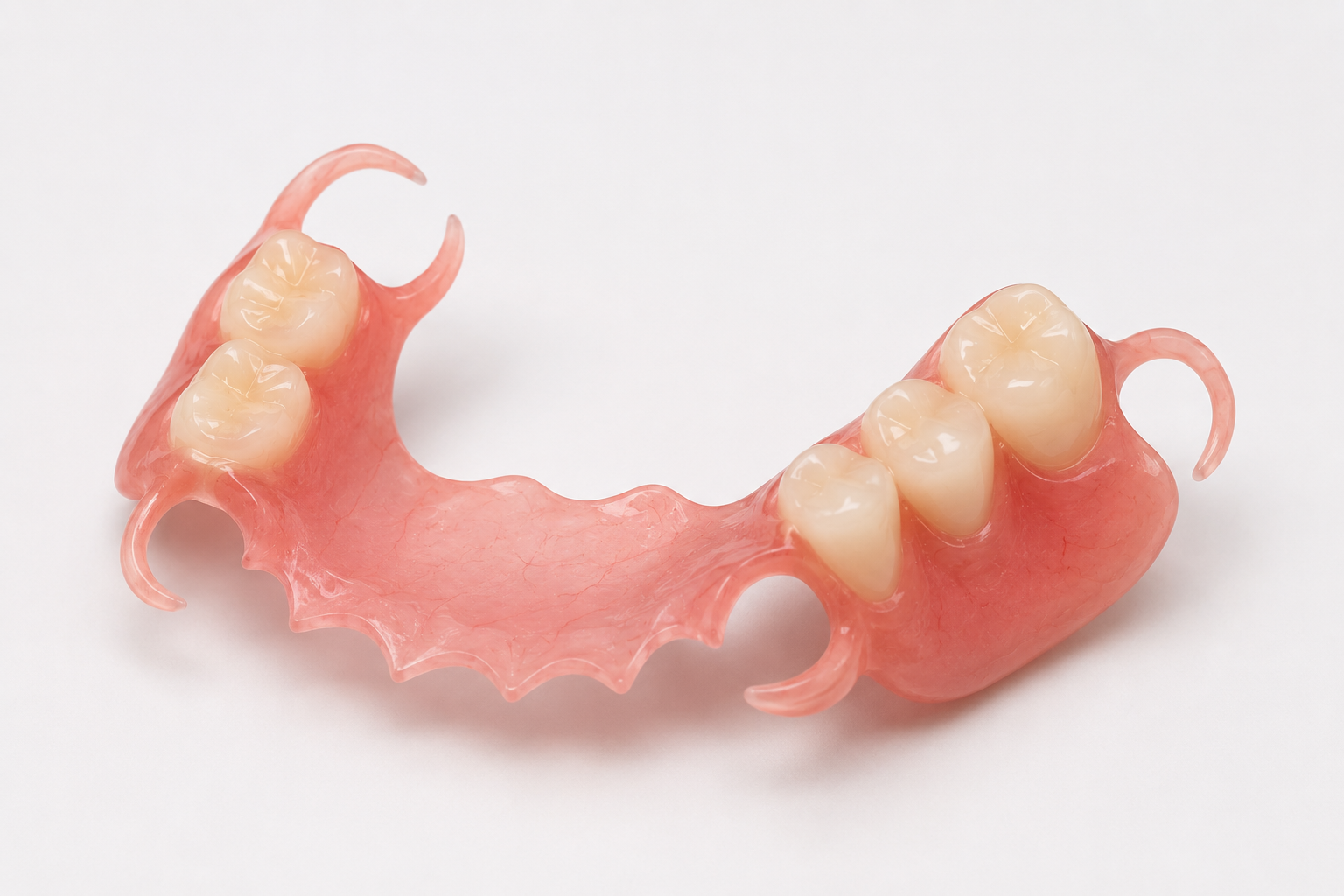
Type 03
Flexible Dentures
Flexible dentures are made from a lightweight, metal-free flexible material that blends naturally with the gums. Many patients find them more comfortable than rigid alternatives.
- Comfortable and lightweight
- Highly aesthetic — no visible metal clasps
- Flexible material adapts to the mouth
- An excellent option for smaller gaps at the front of the mouth
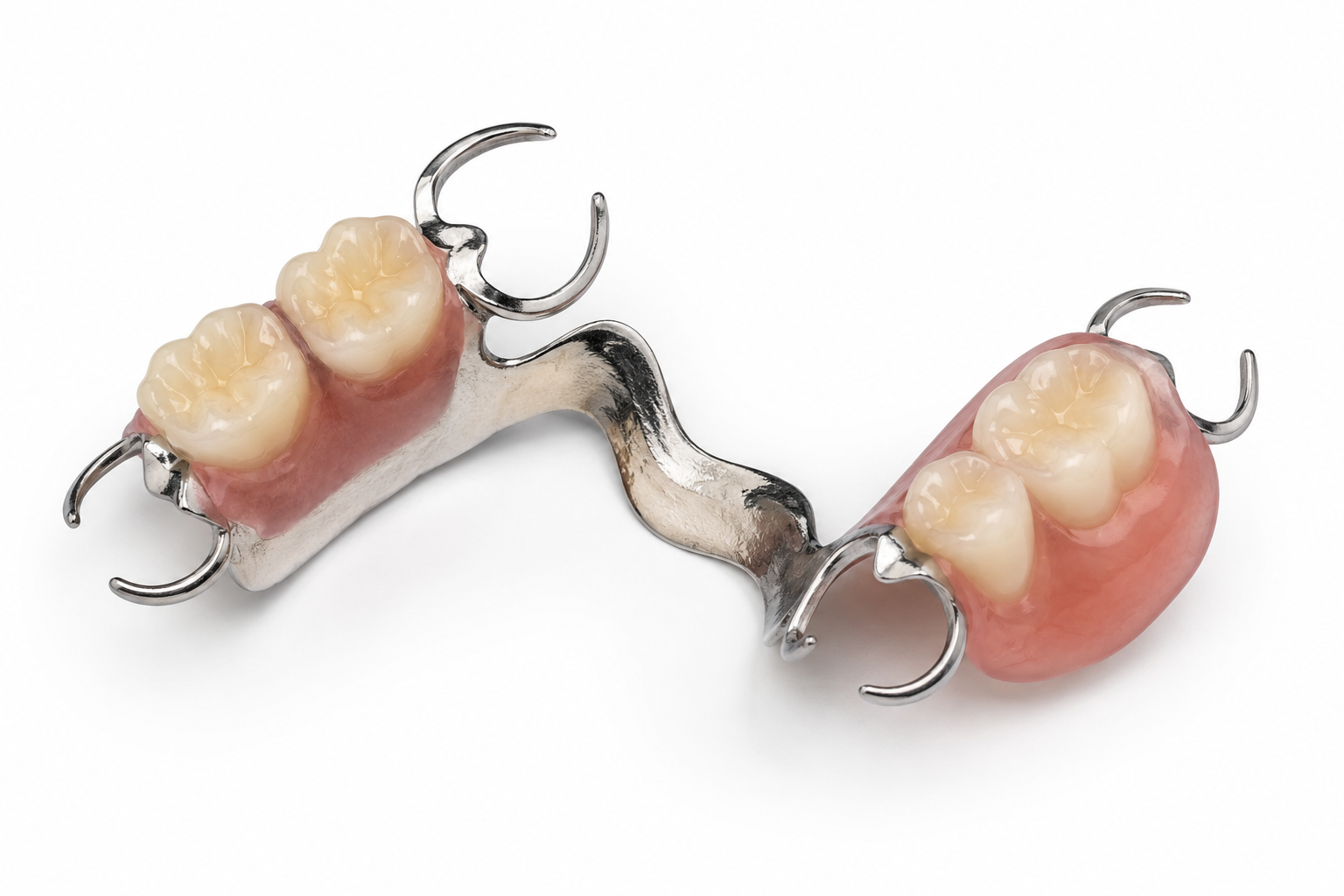
Type 04
Cobalt-Chrome (Co-Cr) Dentures
Cobalt-chrome dentures use a slim, strong metal framework that is much thinner than acrylic. They deliver excellent fit and long-term durability when enough healthy teeth remain to support them.
- Very strong and long lasting
- Thinner and more comfortable than acrylic
- Precise fit with excellent support
- Ideal for patients with healthy remaining teeth
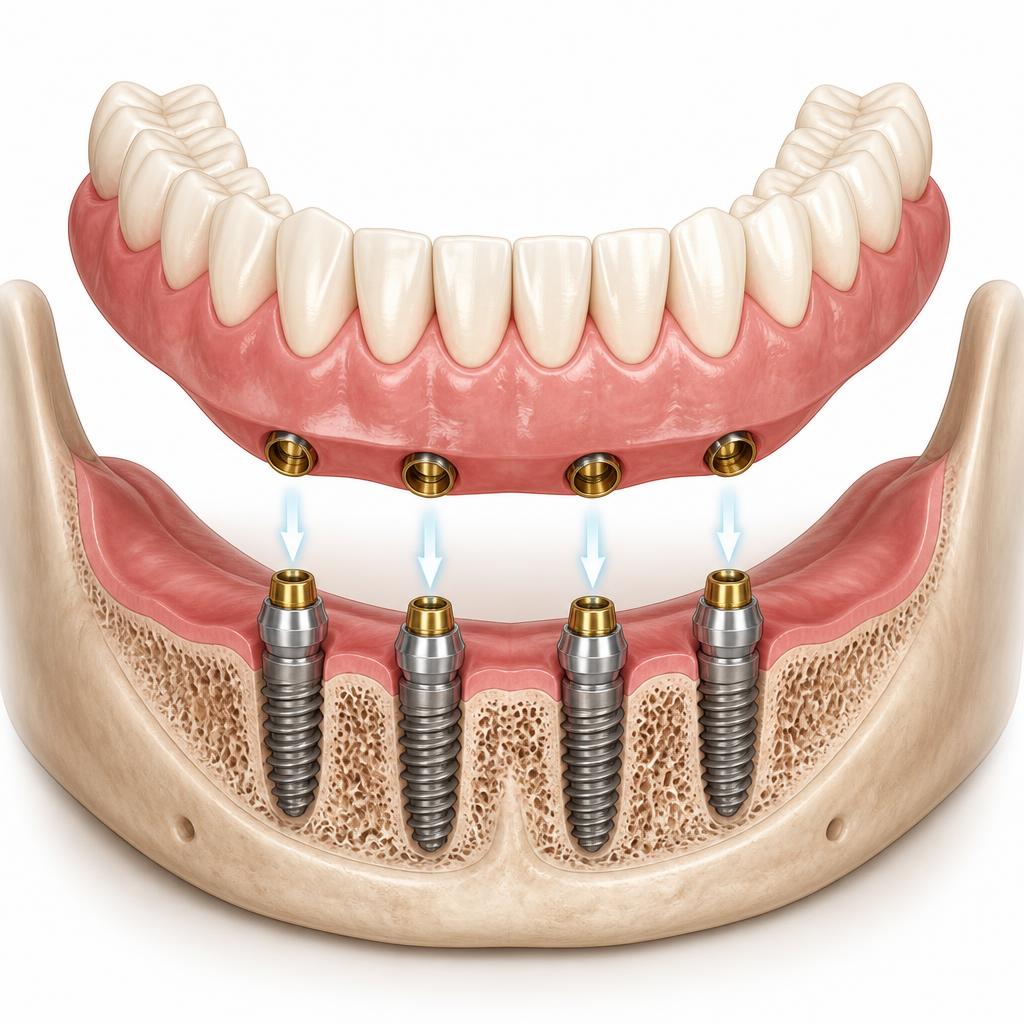
Type 05
Implant-Retained Overdentures
Many long-term denture wearers gradually lose the bone and gum ridge that normally supports a denture. As the ridge shrinks, dentures become loose and unstable.
Dental implants can securely anchor a denture in place — often with just two to four implants per jaw. The denture clicks firmly onto the implants and is removed only for cleaning.
- Dramatically more stable than a conventional denture
- More comfortable and secure when eating
- Confident speech without slipping
- Often eliminates the need for denture adhesive
Learn more about our dental implant treatments.
Bone Loss & Loose Dentures
Why dentures become loose over time
The jawbone naturally shrinks after teeth are lost. Less bone means less support for a denture — which is why so many dentures become loose after several years.
If your denture no longer feels stable, it may be time to reline, replace or upgrade it. Implant-supported dentures can significantly improve stability and comfort — especially in the lower jaw, where loose dentures are most common.
Denture Adhesives
Do I need denture glue?
Some patients use denture adhesive to improve retention. It can help — but it isn’t always the right long-term answer.
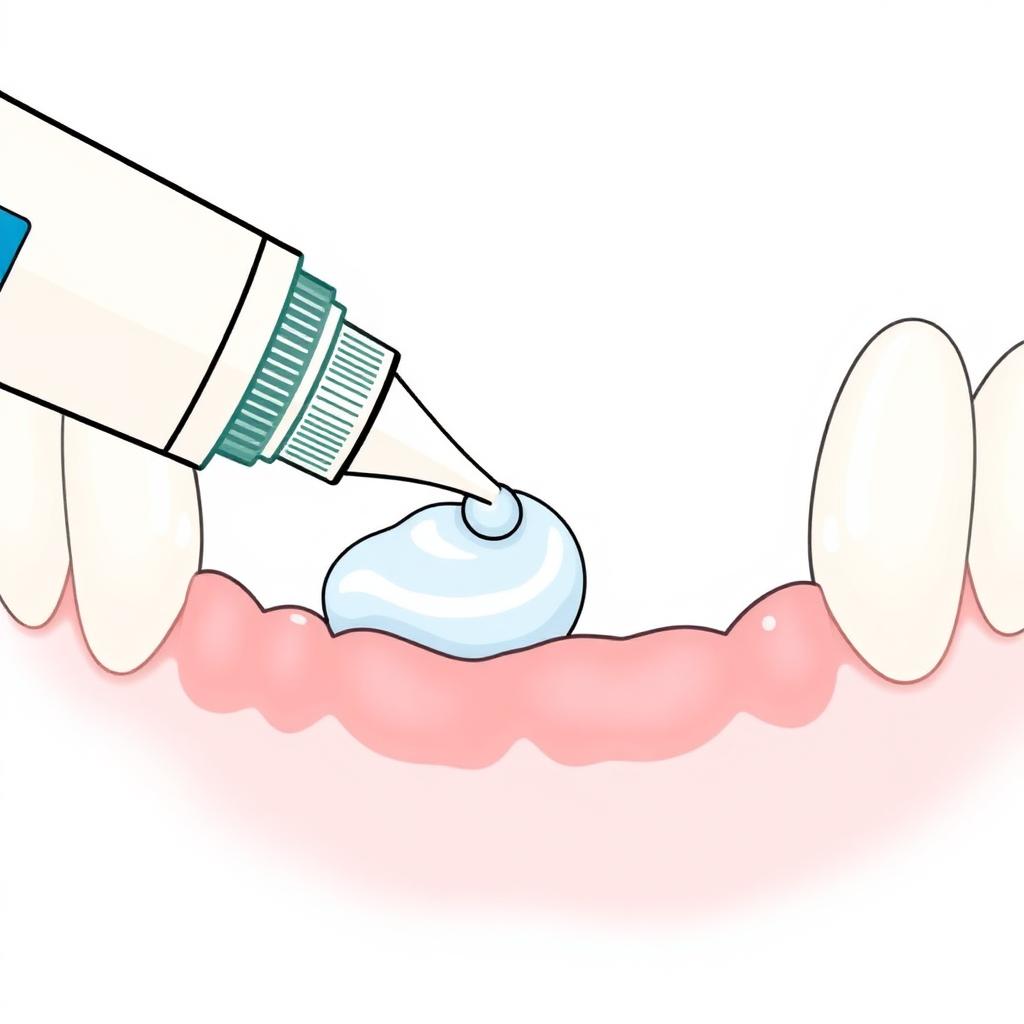
Denture adhesive can temporarily improve stability and give you extra confidence when eating or speaking. It works best with dentures that already fit well.
However, adhesive should not be relied upon if your dentures have become loose or no longer fit correctly. That’s usually a sign that they need to be:
- Relined to improve fit
- Replaced with a new denture
- Reviewed for damage or wear
- Considered for implant support
If you find yourself using more and more adhesive, please get in touch for a review.
Denture to Implant Upgrade
Can I replace my dentures with dental implants?
Many long-term denture wearers can upgrade to an implant-supported solution — from a securely retained overdenture to a fixed set of implant-supported teeth.
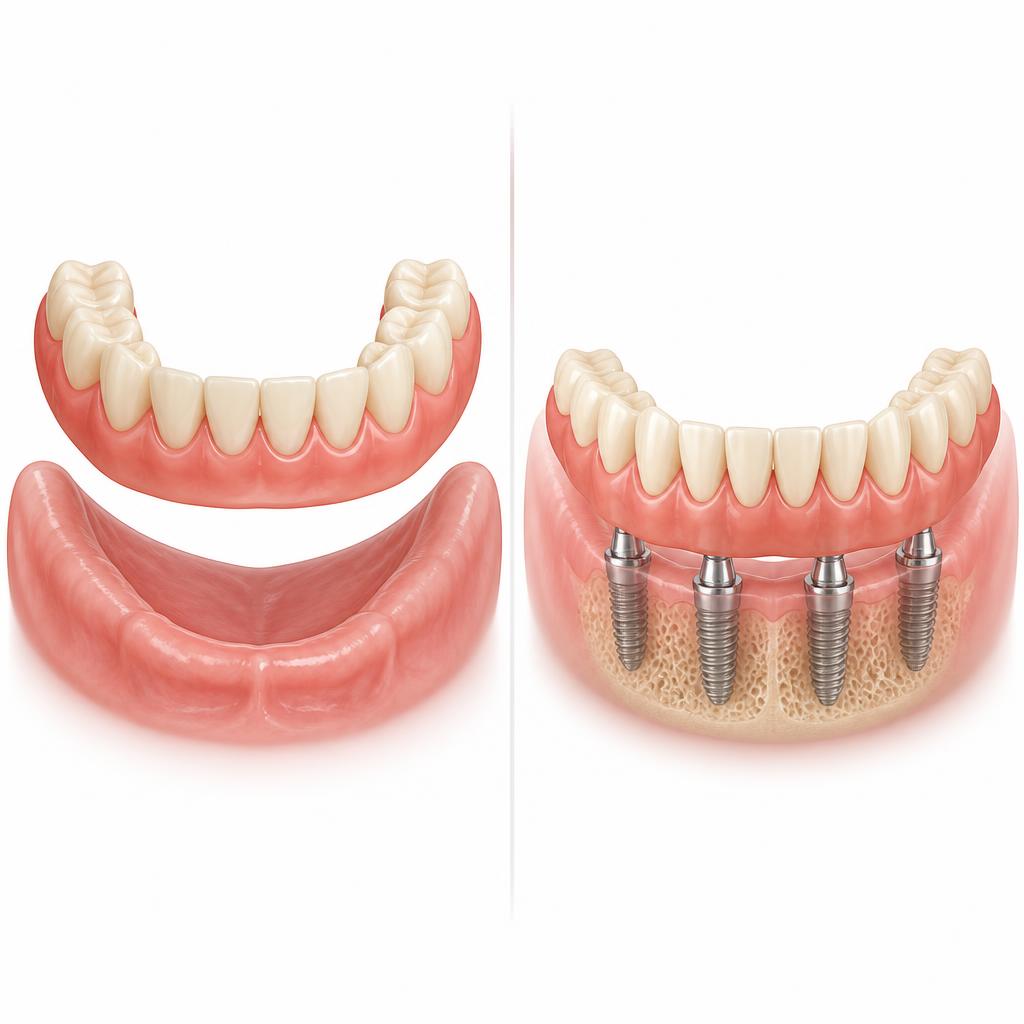
Benefits of Implants
- Greater comfort and stability
- Improved chewing efficiency
- Clearer, more confident speech
- Reduced denture movement
- Often no need for adhesive
Is It Right for Me?
A consultation with our team will assess your gums, remaining bone and general health. Learn more about our dental implant treatments or book a check-up to explore your options.
Everyday Care
Looking after your dentures
A simple daily routine keeps your dentures fresh, comfortable and long lasting.
Brush Every Day
Use a soft denture brush with denture cleaner or a mild soap — not standard toothpaste, which can be too abrasive.
Rinse After Meals
Rinse your dentures under running water after eating to remove food particles and keep them fresh.
Soak Regularly
Soak in a denture-cleansing solution as recommended to remove stains and bacteria — always follow the manufacturer’s instructions.
Remove Overnight
Unless advised otherwise, take dentures out at night to let your gums rest. Store them in clean water to prevent drying.
Regular Check-Ups
Attend regular dental examinations so we can check the fit, condition and comfort of your dentures.
Care for Your Mouth
Gently clean your tongue, gums and any remaining natural teeth every day to keep your whole mouth healthy.
Your Denture Journey
How dentures are made
A gentle, step-by-step process to create a denture that fits comfortably and looks completely natural.
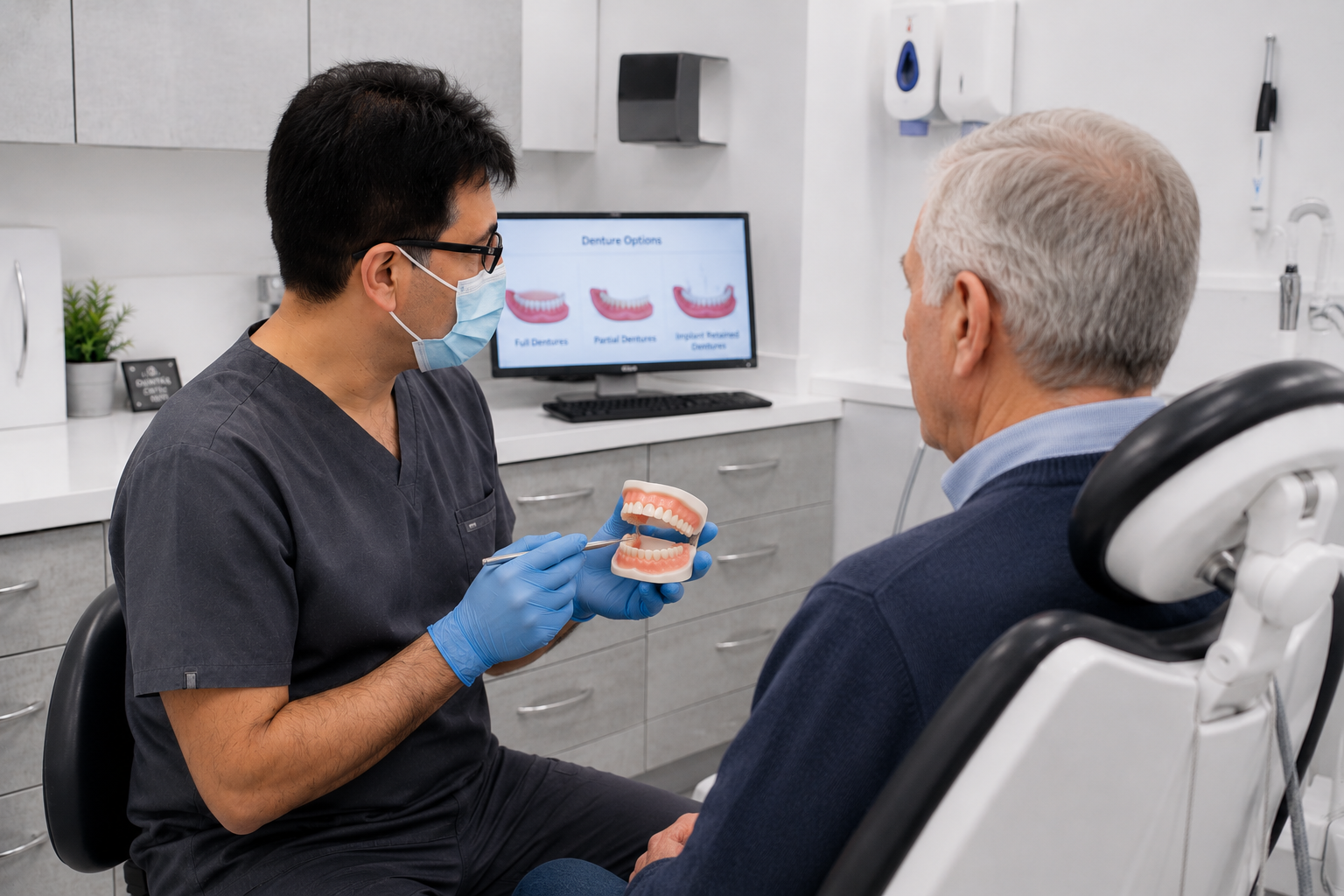
Step 01
Consultation
Your journey begins with a thorough assessment of your remaining teeth, gums and bite. We’ll discuss the denture options best suited to your mouth, lifestyle and budget.
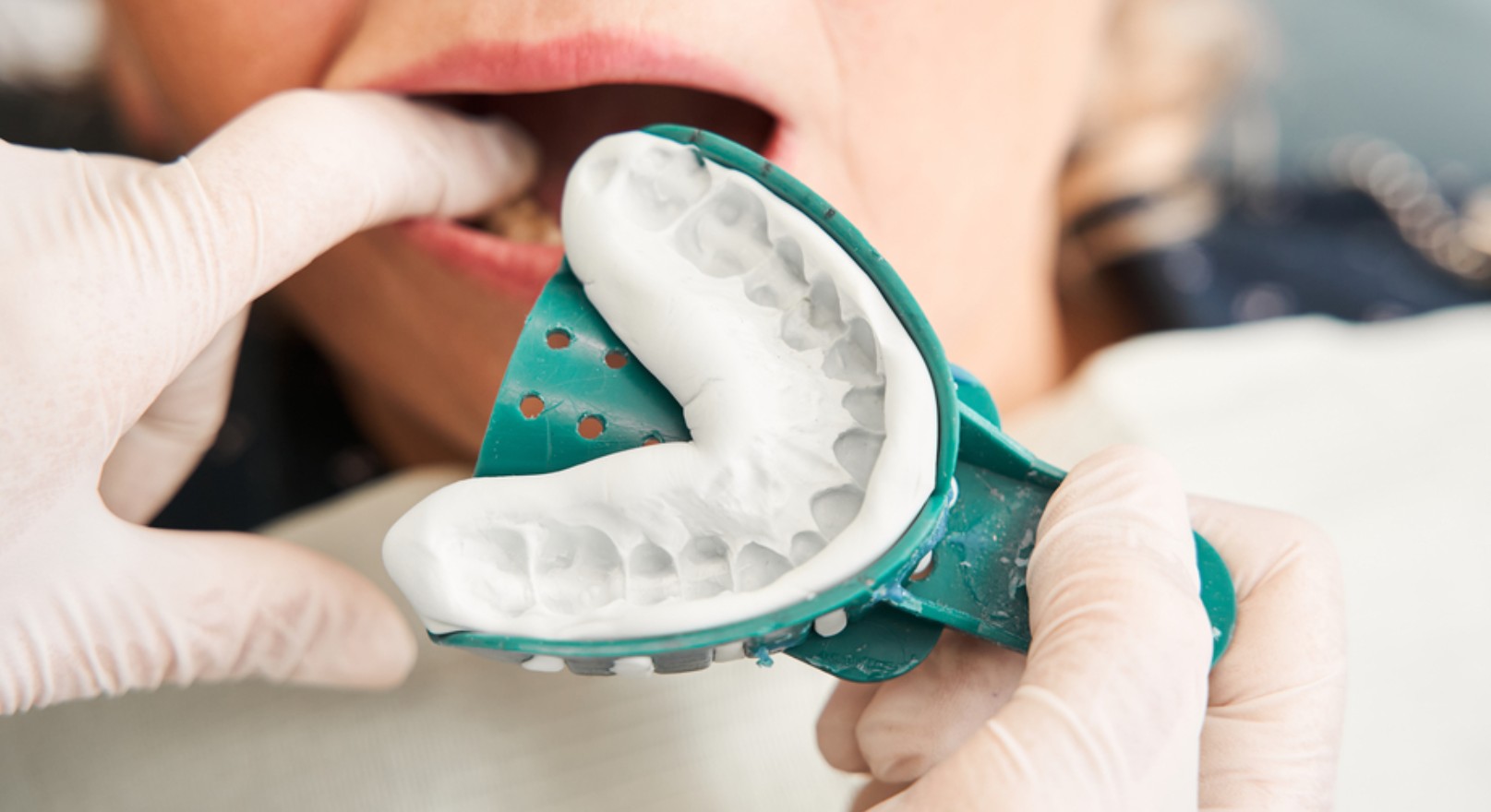
Step 02
Impressions
Precise impressions of your upper and lower jaws are taken so your denture can be individually crafted to fit the exact contours of your mouth.
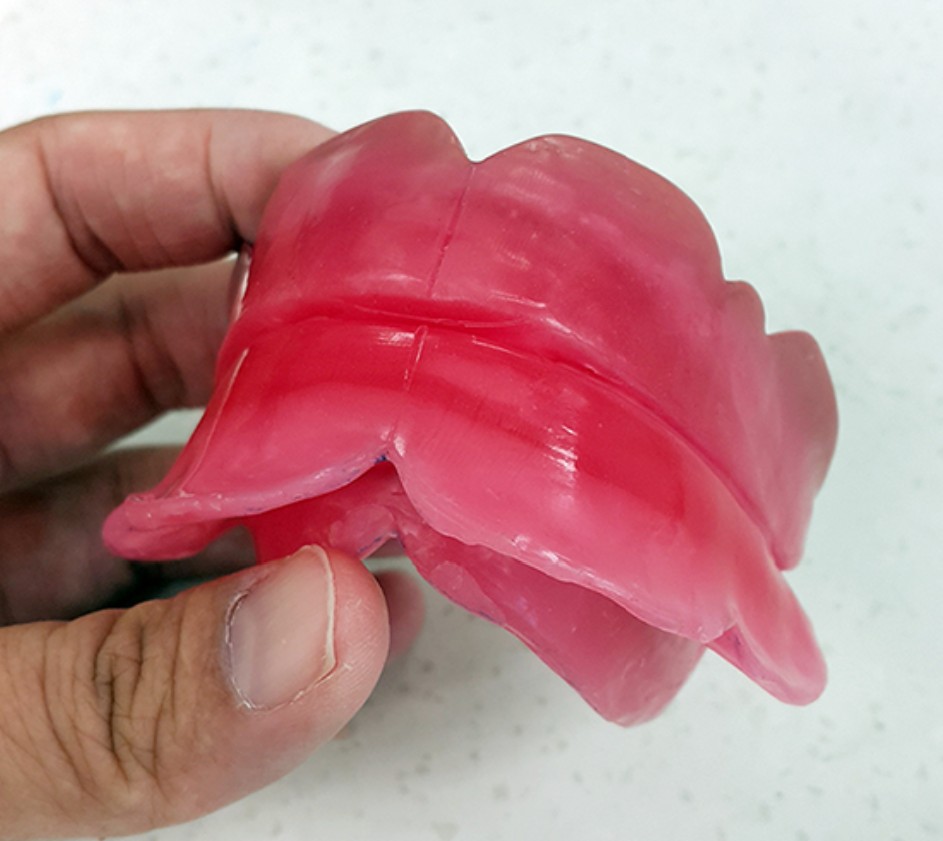
Step 03
Bite Registration
We record your bite, jaw relationship and the position of your teeth using wax bite blocks. This ensures your new denture works in harmony with your natural bite.
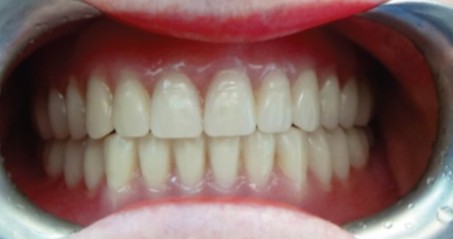
Step 04
Try-In Appointment
Before your final denture is made, you’ll try in a wax version — so you can see and approve the shape, colour and appearance of your smile.
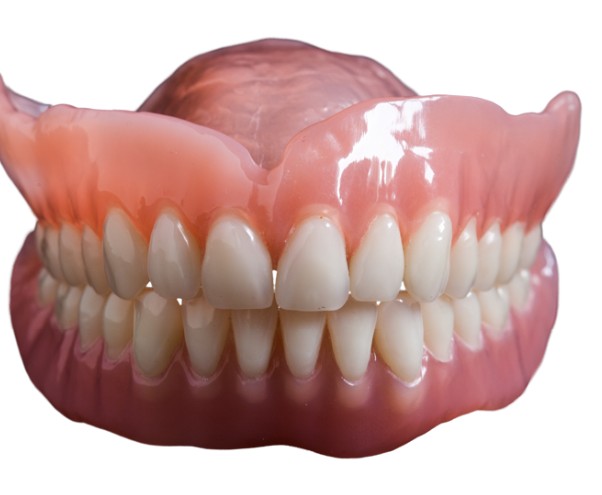
Step 05
Final Denture
Your finished denture is carefully fitted, checked and adjusted for comfort, appearance and bite — ready to smile with.
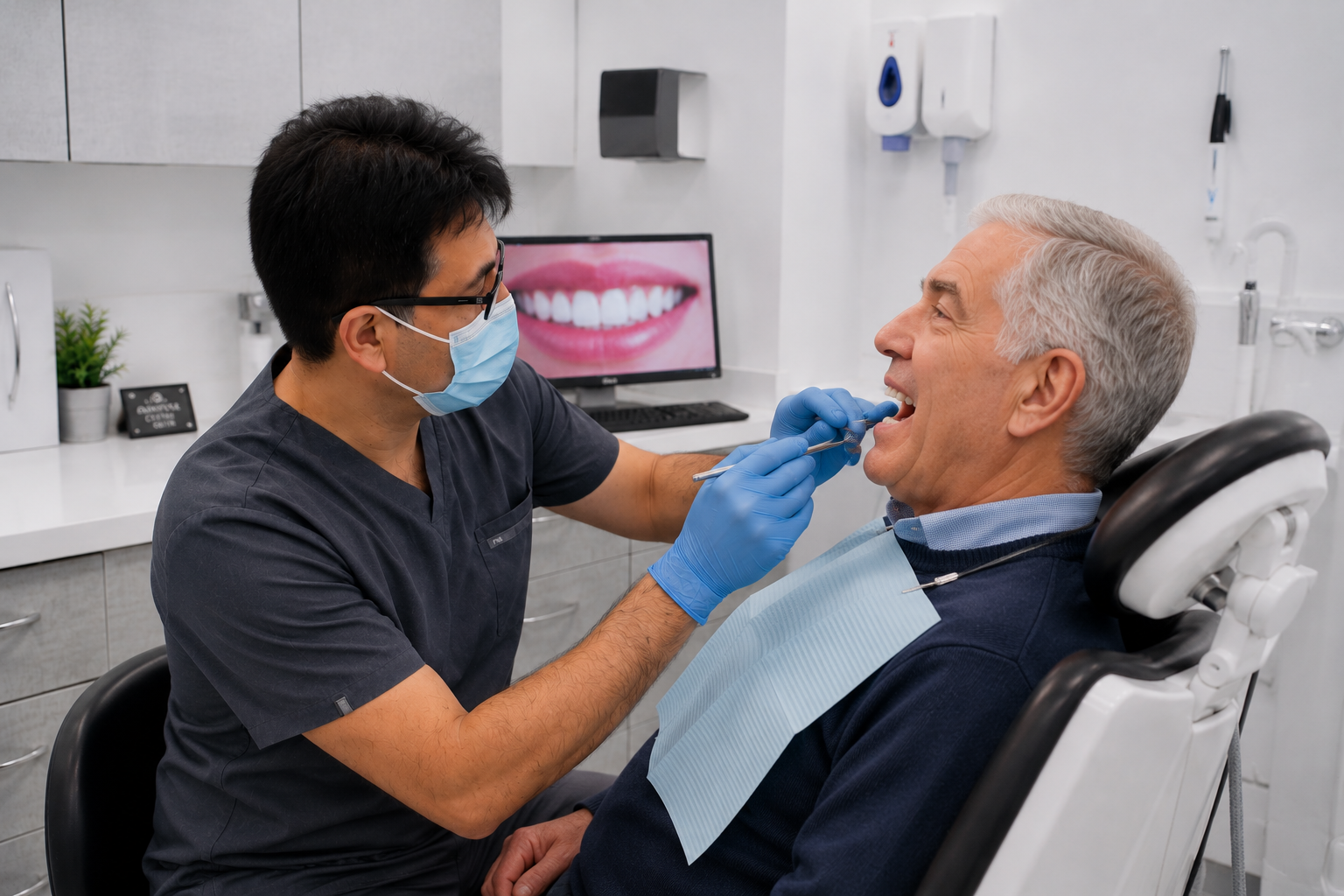
Step 06
Review & Adjustments
Small adjustments during the first few weeks are completely normal and help us fine-tune your denture for maximum comfort. We stay with you throughout the settling-in period.
Common Questions
Frequently Asked Questions
How long do dentures last?
Well-made dentures typically last between 5 and 10 years. Over time, natural changes in the jawbone and gums mean that most dentures need to be relined or replaced to maintain a comfortable, secure fit.
Will dentures look natural?
Yes. Modern dentures are custom-made with a wide range of tooth shapes, sizes and shades so they blend beautifully with your facial features and any remaining natural teeth.
Can I eat normally with dentures?
You’ll be able to eat most foods comfortably, especially after an initial adjustment period. Start with softer foods cut into smaller pieces, and gradually reintroduce firmer items. Implant-retained dentures allow you to eat with far greater confidence than conventional ones.
How long does it take to get used to dentures?
Most patients adapt within a few weeks. During this time, some minor soreness, extra saliva and slight speech changes are normal — we’ll see you for adjustments to ensure everything settles comfortably.
Should dentures be worn at night?
Unless we advise otherwise, dentures should be removed at night. This gives your gums time to rest and helps prevent infections. Store them in clean water or a denture-soaking solution overnight.
How often should dentures be replaced?
Because your jaws and gums change shape over time, dentures usually need to be adjusted, relined or remade every 5–10 years to maintain a comfortable, secure fit.
Can dentures be repaired?
Yes. Cracked, broken or worn dentures can often be repaired quickly. Please don’t try to glue them at home — contact us and we’ll assess the best solution to restore fit and function.
Can implants make my dentures more secure?
Absolutely. Just two to four dental implants per jaw can transform a loose denture into a stable, comfortable, click-in solution — often eliminating the need for adhesive. Read more about implant treatments.
Private Dentist in East Dulwich
Rediscover your smile with modern dentures
Whether you need your first denture, a replacement, or want to explore implant-retained options — our friendly team is here to help. Book a personal denture consultation today.