
Root Canal Treatment in East Dulwich
Save your natural tooth, relieve pain and restore your smile with modern root canal treatment at Dulwich Dental Centre.
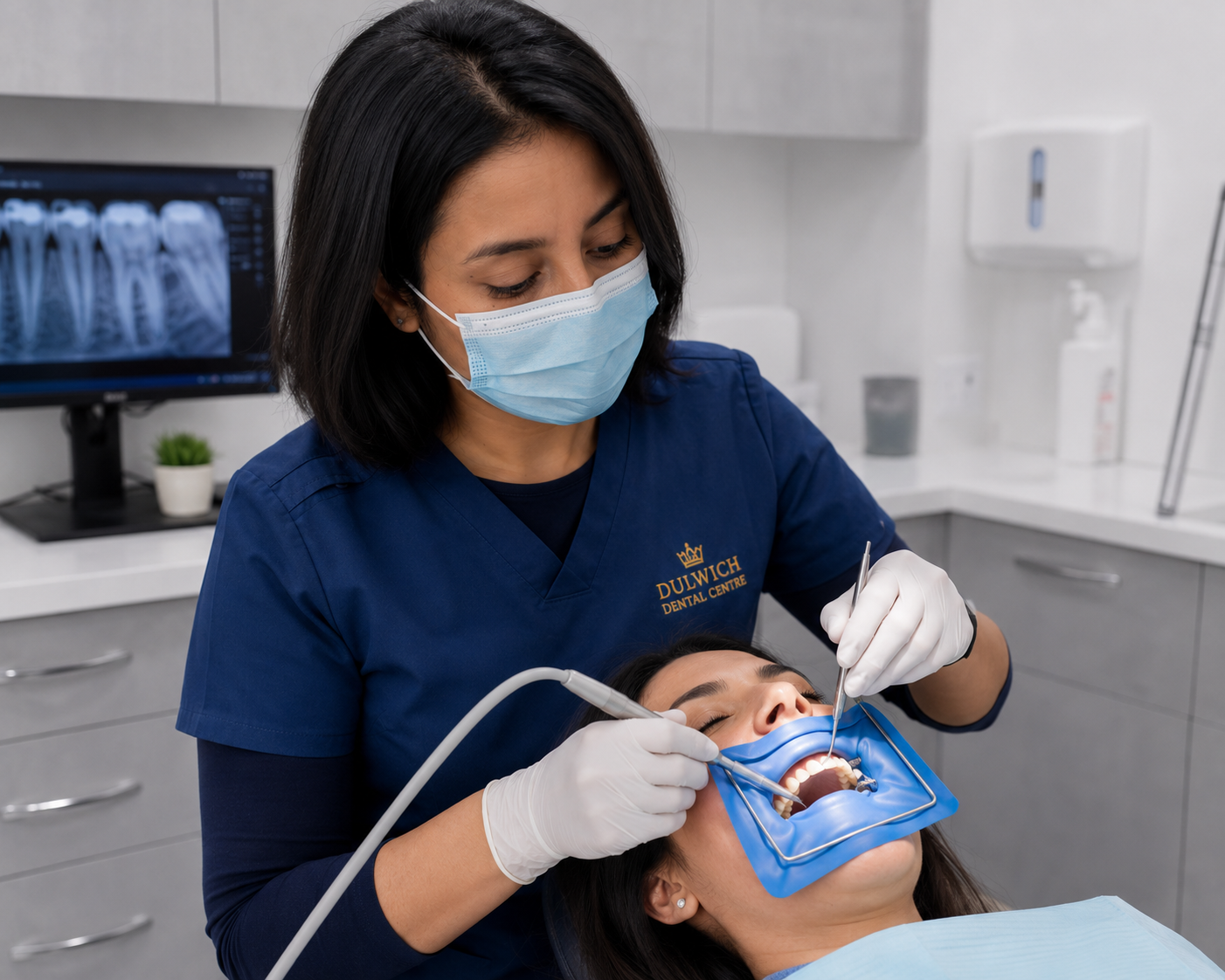
Endodontics Explained
What is root canal treatment?
Root canal treatment is performed when bacteria enter the pulp — the delicate nerve and blood supply inside your tooth. Once the pulp becomes infected or inflamed, it usually cannot heal on its own.
During treatment, the infected or inflamed pulp is carefully removed, the fine root canals are cleaned and disinfected, and then sealed to prevent further infection.
The aim is simple: save your natural tooth and avoid extraction whenever possible.
Common Causes
Why might you need root canal treatment?
Several conditions can allow bacteria to reach the pulp inside a tooth. The most common are:
Deep Tooth Decay
When decay extends through the enamel and dentine, reaching the pulp chamber inside the tooth.
Large Fillings
Extensive or repeatedly replaced fillings can leave the pulp irritated or exposed over time.
Cracked Teeth
A crack can travel deep into the tooth, allowing bacteria a direct pathway to the nerve.
Dental Trauma
A knock or blow to a tooth — even years earlier — can damage the pulp and lead to slow infection.
Repeated Treatment
Teeth that have been treated many times can eventually stress the pulp beyond recovery.
Dental Infection
Bacterial infection spreading through the pulp into the root canal system.
Dental Abscess
A collection of pus at the root tip, often causing swelling, pain and a bad taste.
Warning Signs
Symptoms you may notice
Root canal problems can present in many ways. Common symptoms include:
Severe Toothache
Persistent, throbbing or spontaneous pain — especially at night — often difficult to pinpoint.
Pain When Biting
Sharp discomfort when chewing or applying pressure to a specific tooth.
Hot & Cold Sensitivity
Lingering sensitivity to temperature, which continues long after the trigger has been removed.
Swelling
Localised swelling of the gum or face near the affected tooth.
Gum Pimple
A small pimple on the gum (sinus tract) that drains pus and may come and go.
Tooth Discolouration
A tooth that gradually darkens compared to its neighbours may have a damaged pulp.
Pain That Wakes You
Pain intense enough to disturb sleep is a strong sign the pulp is severely inflamed.
No Symptoms At All
Some infected teeth cause no pain and are only discovered on routine dental X-rays.
If you recognise any of these symptoms — or none at all but a tooth simply doesn’t feel right — please arrange an assessment so we can investigate carefully.
Your Treatment Journey
Root canal treatment step by step
A calm, precise and predictable process — designed to relieve pain, remove infection and preserve your tooth for the long term.

Step 1Examination & Digital X-rays
We start with a thorough clinical examination and modern digital X-rays to see clearly inside your tooth and the surrounding bone.
- Detailed clinical examination
- Digital X-rays (and CBCT scans where needed)
- Accurate diagnosis
- Personalised treatment plan
We explain what we find and discuss your options fully before any treatment begins.
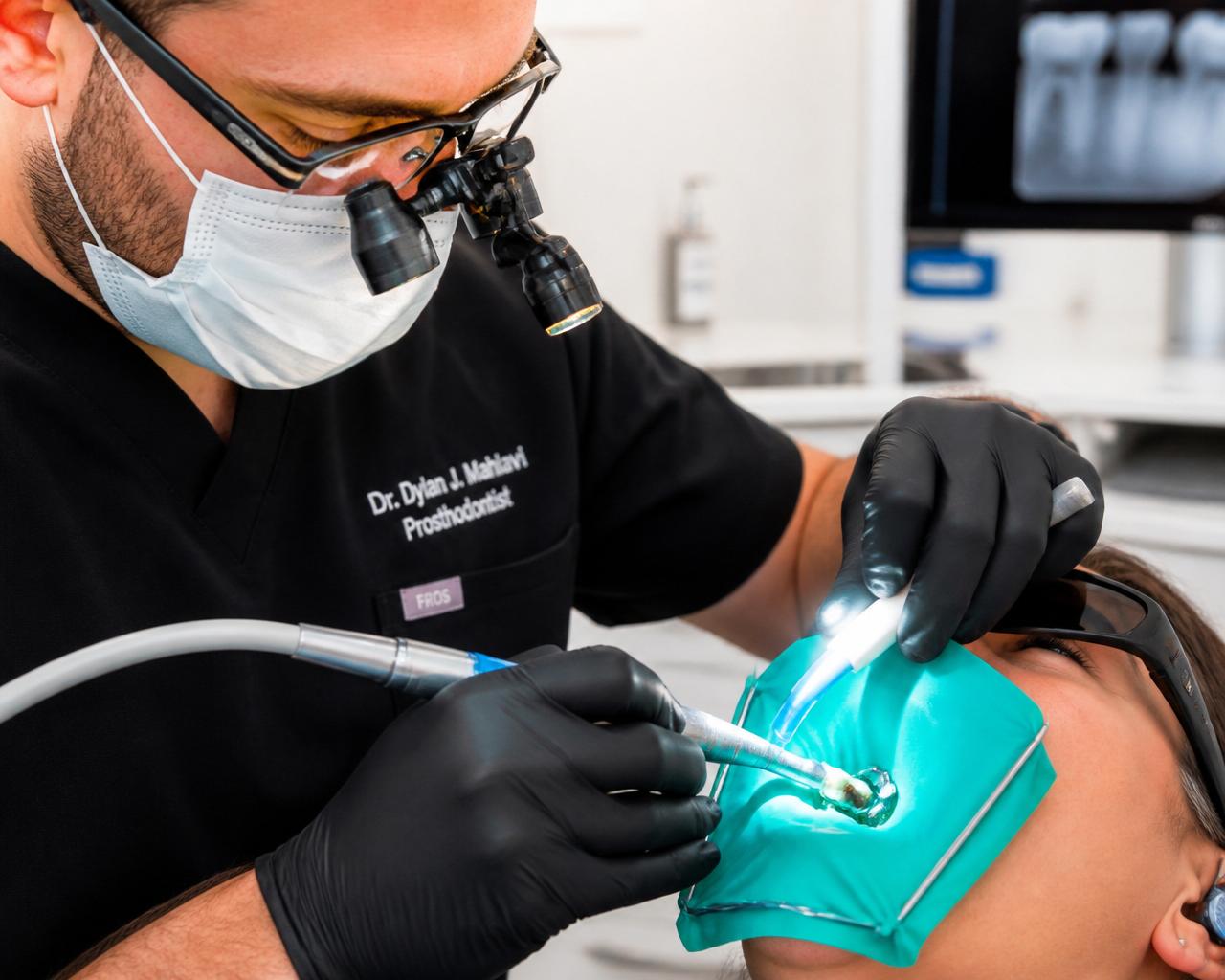
Step 2Removing Decay & Accessing the Pulp
Once you are comfortably numb, treatment begins by carefully removing any decay and old leaking fillings.
A small, precise opening is then made through the top of the tooth to access the pulp chamber and the entrances of the root canals.
A rubber dam is placed to isolate the tooth, keeping it clean, dry and protected from saliva throughout the procedure.
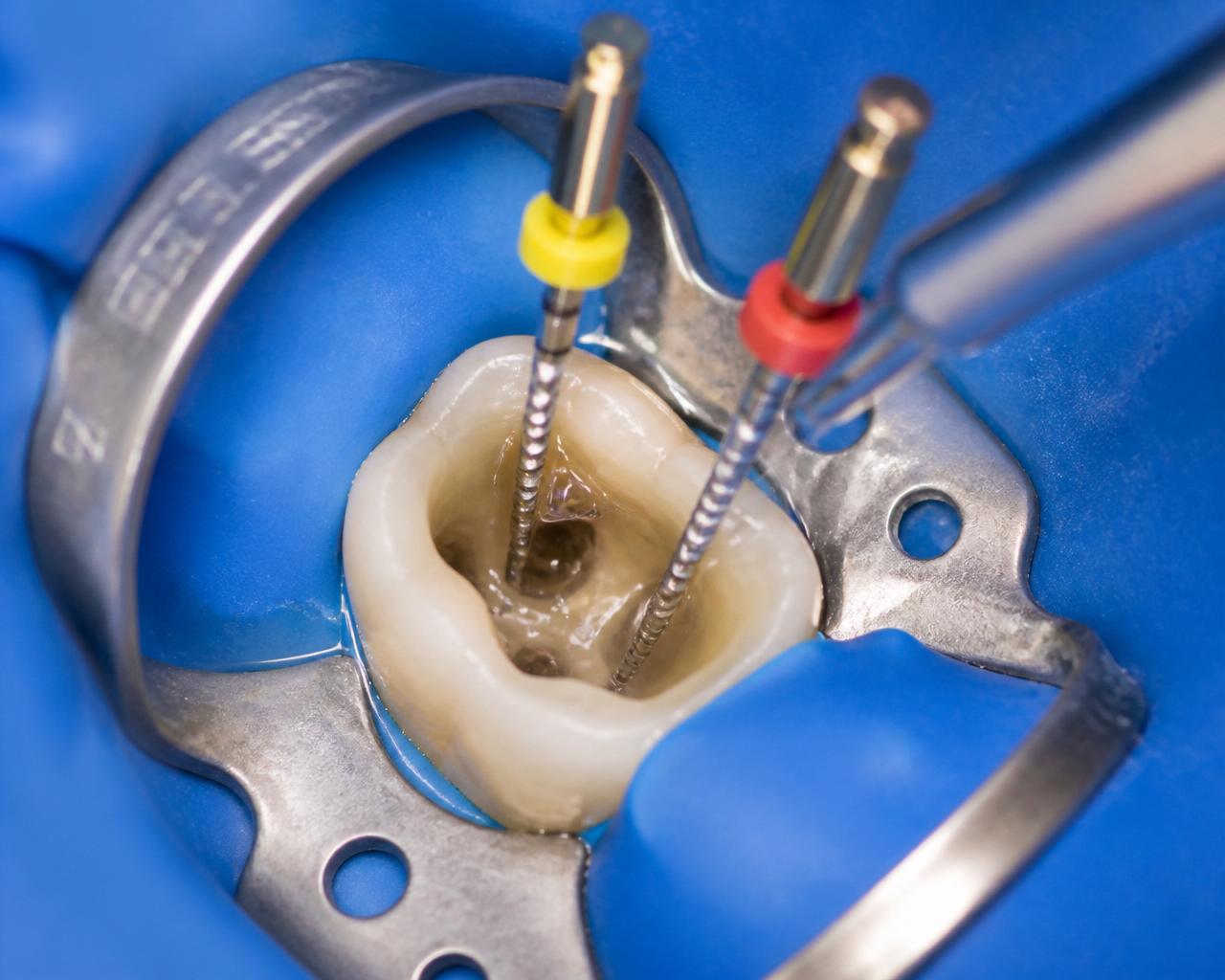
Step 3Cleaning the Root Canals
Using fine endodontic files under magnification, the root canals are:
- Measured accurately to their tips
- Cleaned with specialised rotary and hand files
- Disinfected with irrigating solutions
- Shaped ready for filling
This meticulous cleaning phase removes bacteria and infected tissue from the canal system — the single most important step for a successful outcome.
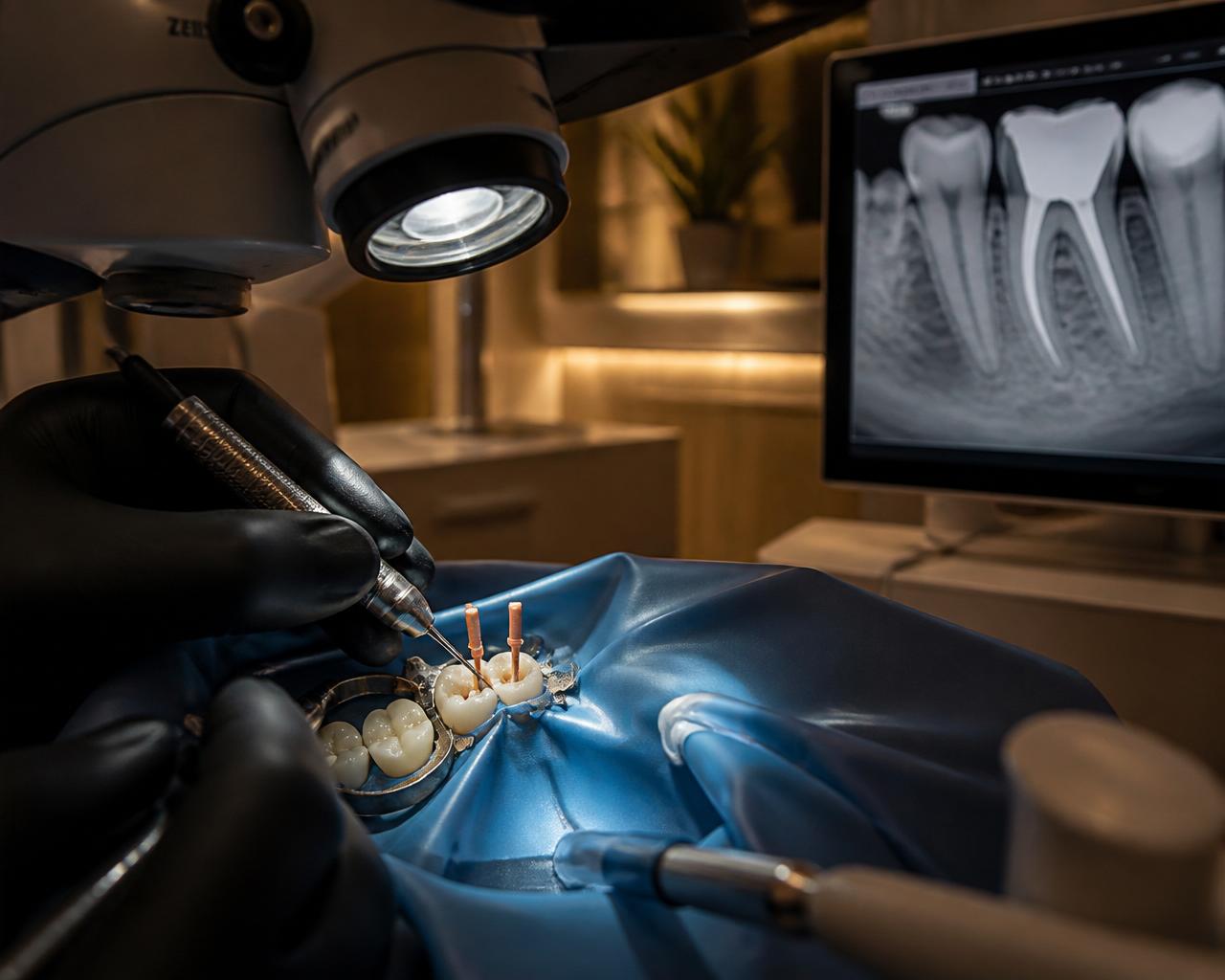
Step 4Obturation — Filling the Root Canals
Once the canals are completely clean and disinfected, they are sealed using gutta-percha and a bio-compatible root canal sealer.
This creates a dense, three-dimensional seal that prevents bacteria from re-entering the canal system.
A final X-ray confirms that the filling extends smoothly to the tip of every root.
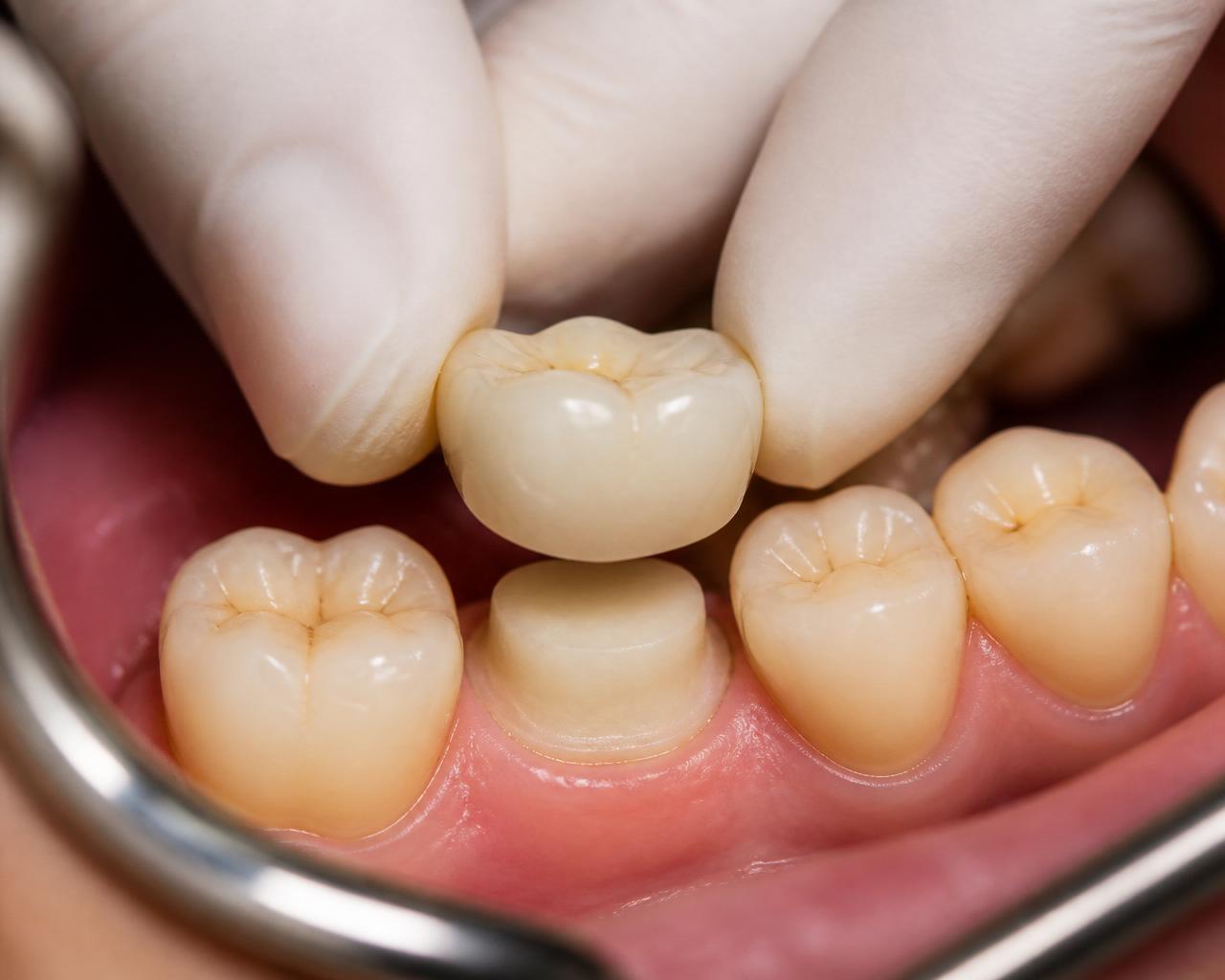
Step 5Restoring the Tooth
After root canal treatment a tooth becomes weaker because:
- Infection has damaged the tooth structure
- Decay has removed valuable tooth tissue
- The tooth is more likely to fracture under biting forces
For back teeth, a crown or onlay is often recommended to protect the tooth from future fracture and give the best possible long-term result.
Protecting Your Investment
Why a crown is often recommended after root canal treatment
Root canal treated back teeth are more likely to crack over time. A well-fitting crown protects the tooth from fracture and dramatically improves long-term success.
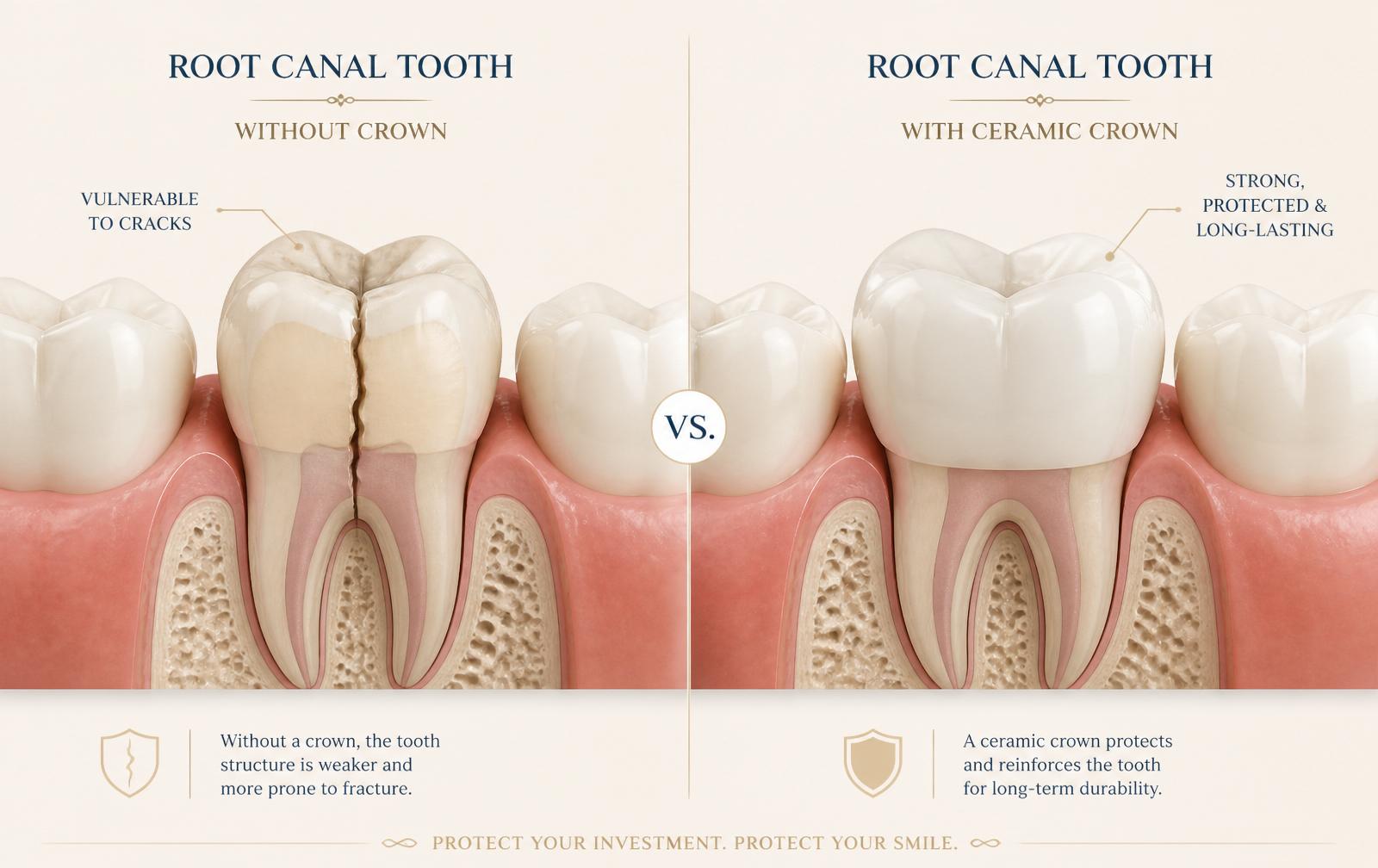
Studies consistently show that crowns significantly reduce the risk of fracture in heavily restored posterior teeth — helping your root canal treated tooth last many years longer.
What to Expect
Comfort, care and long-term success
Is root canal treatment painful?
Modern root canal treatment is carried out under effective local anaesthetic. Most patients tell us it feels similar to having a routine filling.
The purpose of treatment is to remove pain — not cause it. Once the inflamed pulp is settled, symptoms usually improve very quickly.
How successful is root canal treatment?
Modern root canal treatment has a very high success rate when:
- The canals are thoroughly cleaned
- The tooth is well sealed
- A suitable crown or restoration is placed
- Good oral hygiene is maintained
Regular reviews help ensure the tooth stays healthy for many years.
Save Your Natural Tooth
Why saving your own tooth is almost always best
Why keeping your natural tooth matters
No dental restoration — however well made — can perfectly replace a natural tooth. Preserving your own tooth helps maintain:
- Natural bite and chewing efficiency
- Healthy neighbouring and opposing teeth
- Jawbone and gum architecture
- Long-term stability of your smile
Can root canal treatment prevent tooth loss?
Yes. Successful root canal treatment often allows patients to keep their natural teeth for many years — sometimes for life. It is one of the most predictable ways to save a tooth that would otherwise need to be removed.
What happens if treatment is delayed?
Delaying root canal treatment can lead to:
- Increasing and more constant pain
- Spreading infection or abscess formation
- Facial swelling
- Loss of tooth structure, sometimes making the tooth unrestorable
Early assessment gives your tooth the best chance of being saved.
Root canal treatment vs extraction
Whenever a tooth can be saved predictably, preserving it is usually the better long-term choice. Extraction may lead to gaps that need bridges, implants or dentures — which are excellent solutions, but rarely simpler or cheaper than saving the original tooth.
At A Glance
Root canal treatment vs tooth extraction
A simple comparison to help you understand why preserving the natural tooth is usually the preferred option when feasible.
| Root Canal Treatment | Tooth Extraction | |
|---|---|---|
| Preserves natural tooth | Yes — your own tooth is retained | No — the tooth is removed permanently |
| Impact on neighbouring teeth | Minimal — surrounding teeth stay in place | Adjacent teeth may drift or tip into the gap |
| Effect on jawbone | Bone is preserved around the natural tooth | Bone shrinks over time in the extraction site |
| Further treatment needed | Usually a crown or onlay for back teeth | Often a bridge, implant or denture to replace the tooth |
| Long-term cost | One tooth restored and protected | Ongoing costs to replace the missing tooth |
| Comfort during treatment | Comparable to a routine filling under local anaesthetic | Comparable to a routine extraction under local anaesthetic |
FAQ
Frequently Asked Questions
Answers to the questions our root canal patients most often ask us.
Is root canal treatment painful?
Modern root canal treatment is performed under effective local anaesthetic and most patients say it feels similar to a routine filling. The goal is to relieve pain, not create it.
How many appointments will I need?
Many root canal treatments can be completed in one or two visits, depending on the tooth involved, the number of canals and how much infection is present. We will explain the plan clearly before we start.
Will I need antibiotics?
Antibiotics are not usually required for a routine root canal treatment. They are prescribed only when clinically indicated — for example, if infection is spreading or you have swelling with fever.
Can the tooth become infected again?
Occasionally a root canal treated tooth can develop a new or persistent infection. When this happens, the tooth can often be re-treated successfully, either conventionally or with the help of specialist techniques.
Is extraction better than root canal treatment?
Whenever a tooth can be saved predictably, keeping your natural tooth is usually the best option. Extraction is considered when the tooth is too damaged or cannot be reliably restored.
Can I eat afterwards?
Yes. Once the local anaesthetic has fully worn off, you can eat as normal — but we recommend chewing on the opposite side until the final restoration or crown is placed to protect the tooth.
Why do I need a crown after root canal treatment?
Root canal treated back teeth are more vulnerable to fracture because they have less remaining tooth structure. A crown or onlay significantly reduces the risk of the tooth breaking and improves long-term success.
How long does root canal treatment last?
A well-performed root canal treatment, restored with a good crown and maintained with regular hygiene, can last for many years — often decades and sometimes for life.
Save Your Natural Tooth
Save Your Natural Tooth
Root canal treatment can often relieve pain and help you keep your own tooth for many years. Call today and we will guide you calmly through every step.