Traditional Scale & Polish
Hygiene · £85
- Removes plaque and calculus
- Polishes teeth to a smooth finish
- Essential for gum health
- Suitable for every patient

Preventive Dentistry
Keep your teeth and gums healthy with professional scale and polish, Airflow stain removal and personalised oral hygiene advice at Dulwich Dental Centre.
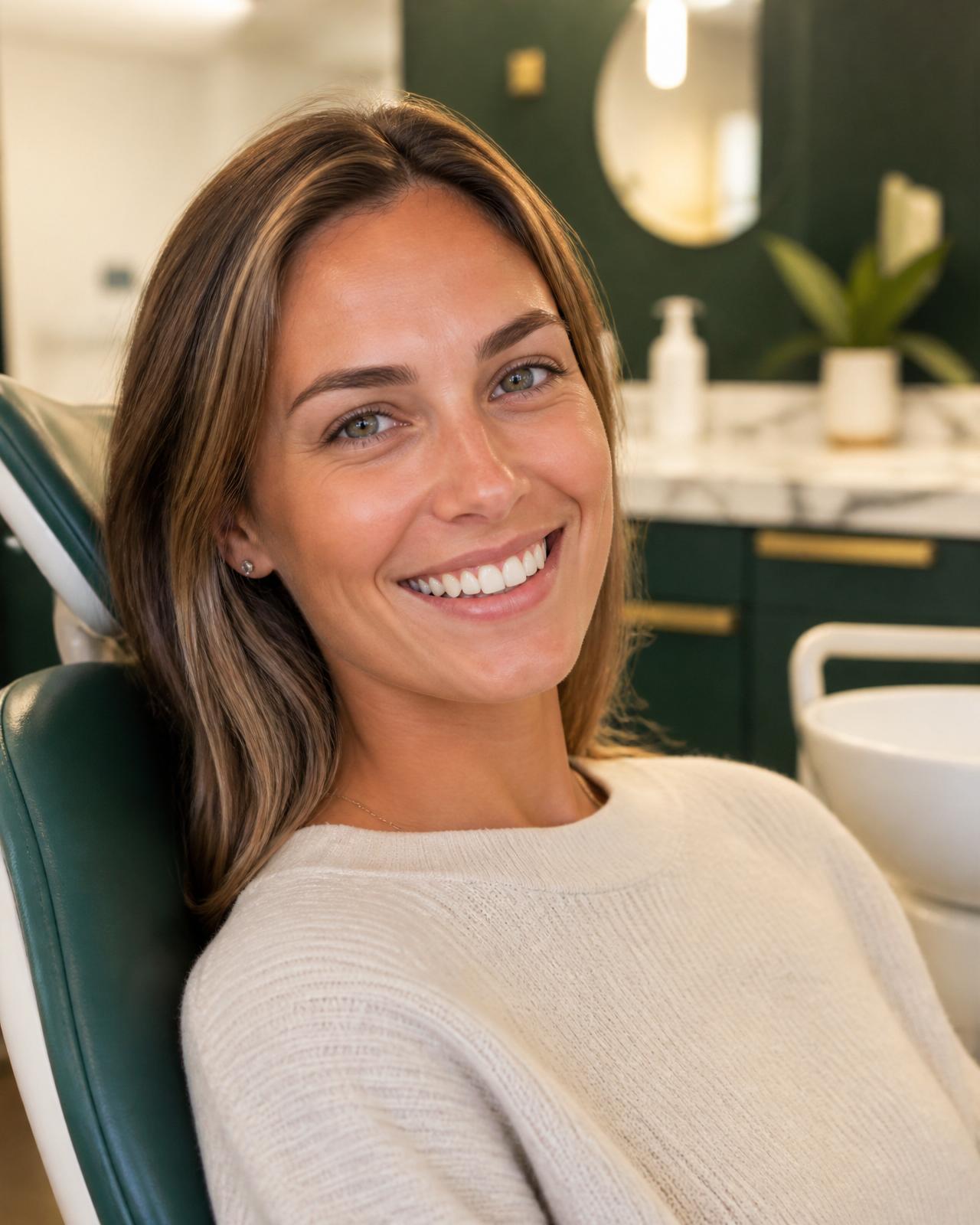
Why It Matters
Brushing and flossing at home are essential — but they cannot remove hardened tartar. Professional hygiene keeps your gums healthy and helps you keep your teeth for life.
A soft sticky film of bacteria builds up on your teeth every single day, even with careful brushing.
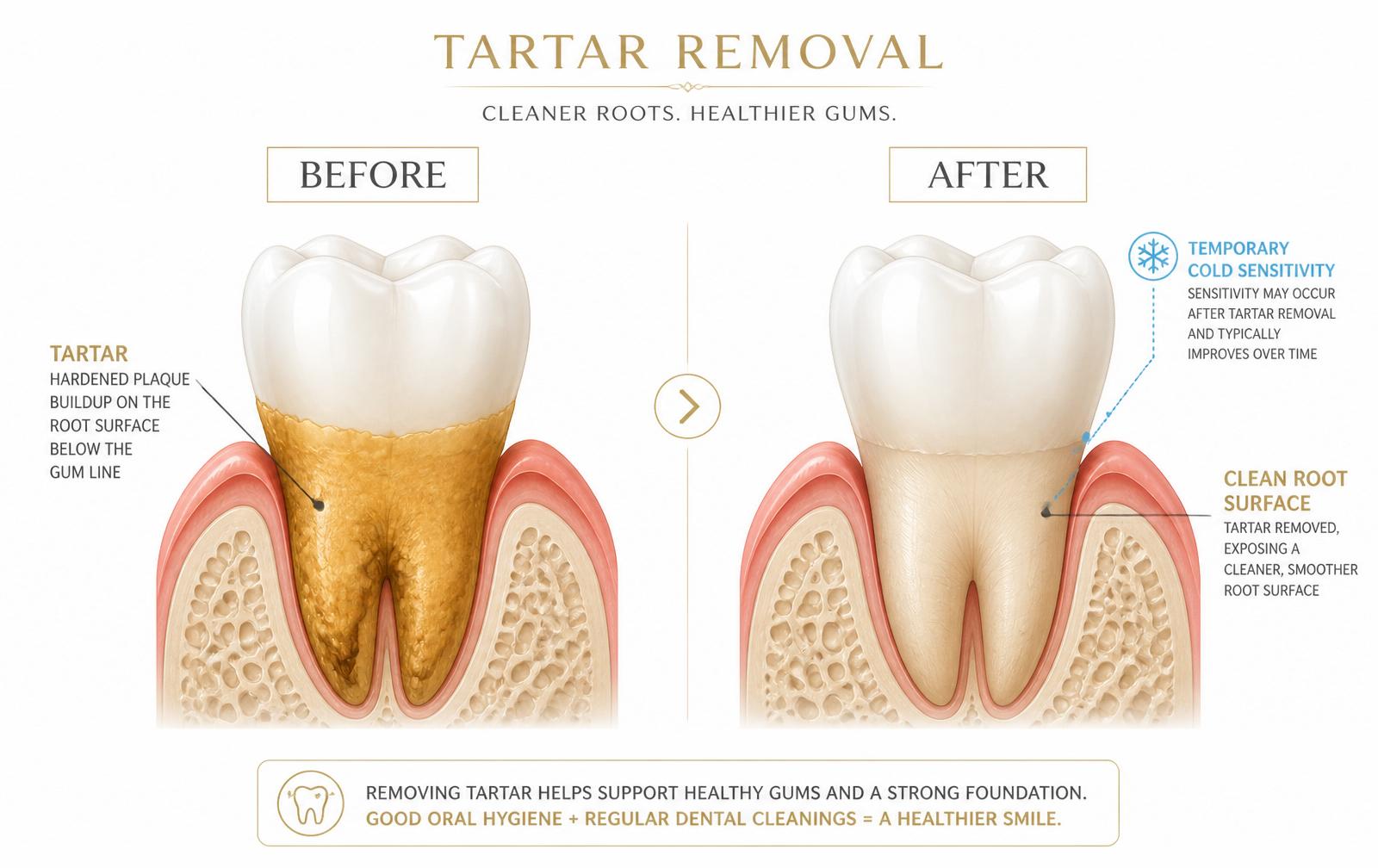
If plaque isn’t removed, it mineralises within days into hardened tartar (calculus) that sticks firmly to teeth.
Once calculus has formed it cannot be removed at home — no matter how well you brush or floss.
A hygiene appointment safely removes calculus above and below the gumline, restoring a clean, smooth surface.
Gum disease is the leading cause of tooth loss in adults. Keeping gums healthy is the foundation of a lasting smile.
Poor gum health is associated with certain general health conditions such as diabetes and cardiovascular disease.
Regular hygiene visits are one of the simplest, most powerful things you can do for your long-term oral health.
Your Appointment
Five clear stages — from a thorough gum health assessment to personalised advice for keeping your smile clean at home.
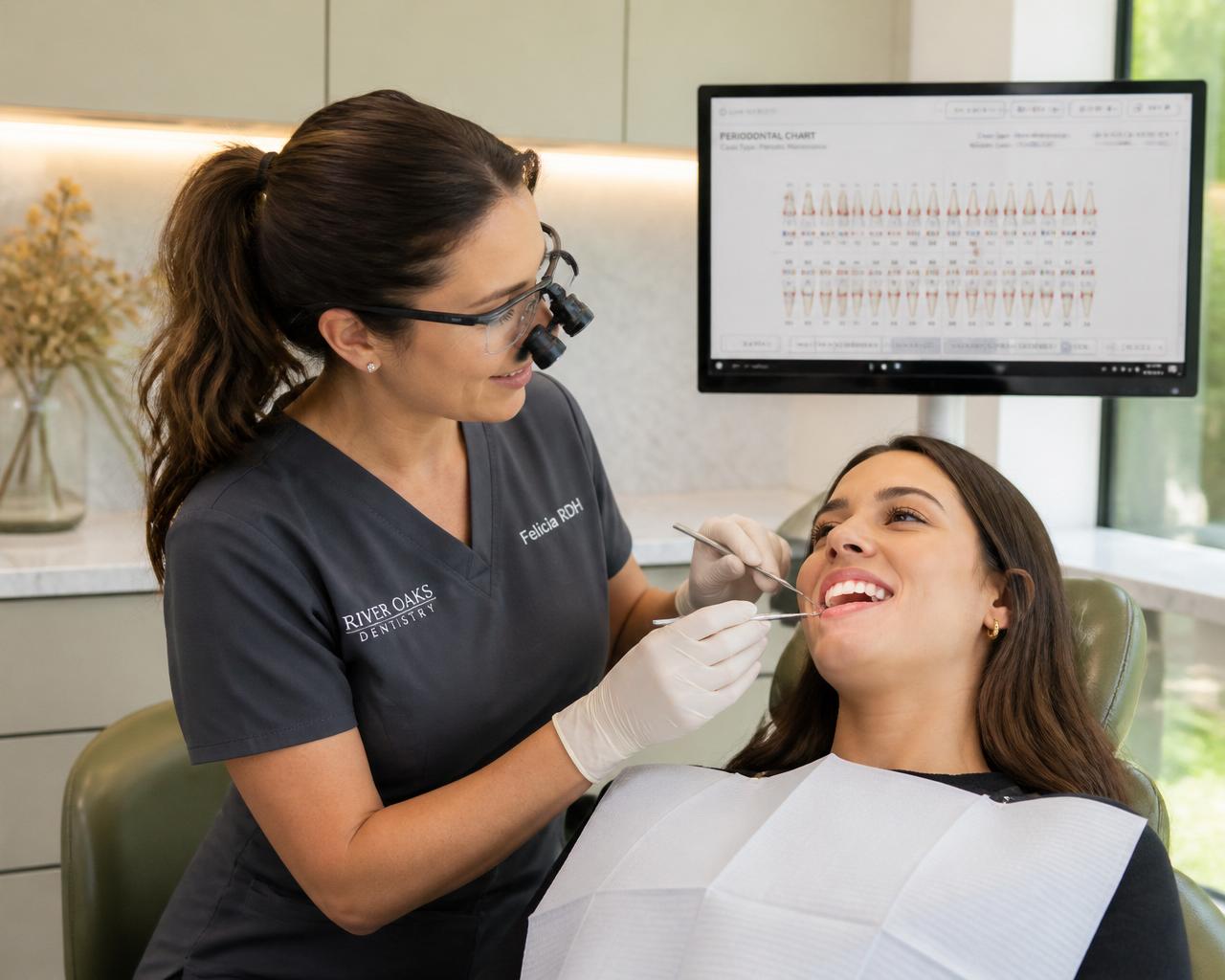
Your hygienist begins with a careful assessment of your gums and oral hygiene, tailored to your medical history.
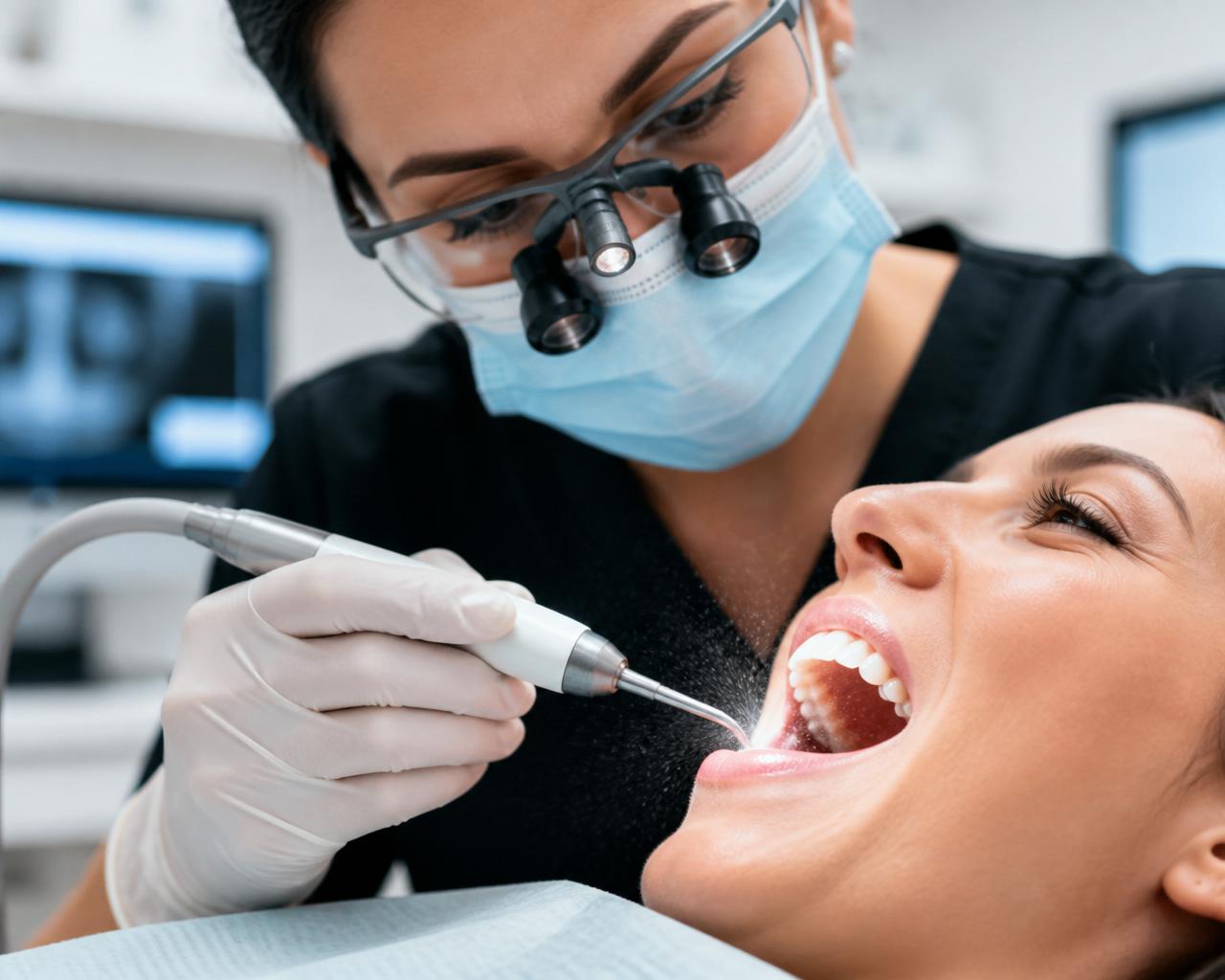
Using gentle ultrasonic instruments, we remove plaque and hardened calculus from every tooth surface.
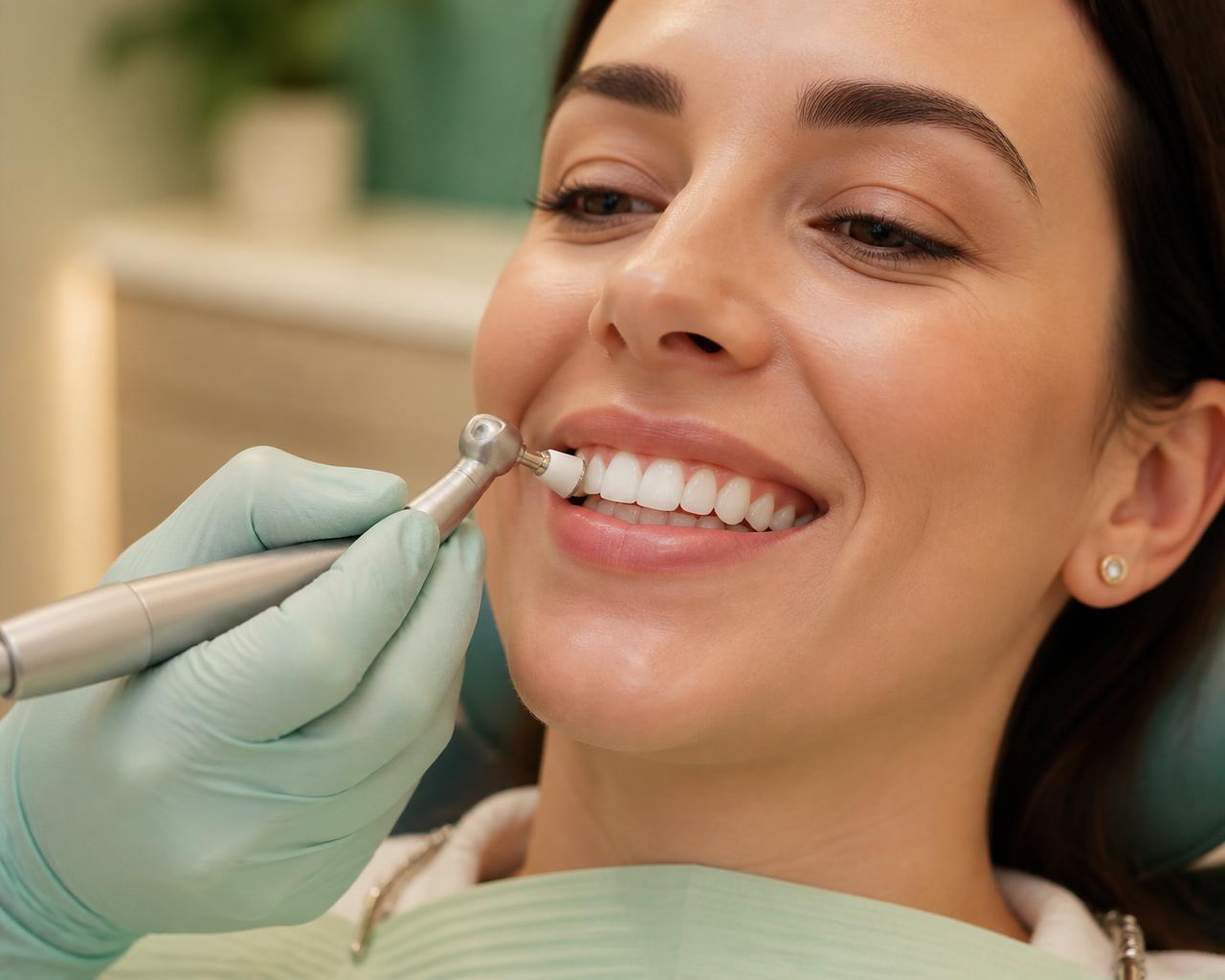
A soft rubber cup and fine polishing paste smooth every tooth surface, lifting light stains and helping to prevent new plaque forming.
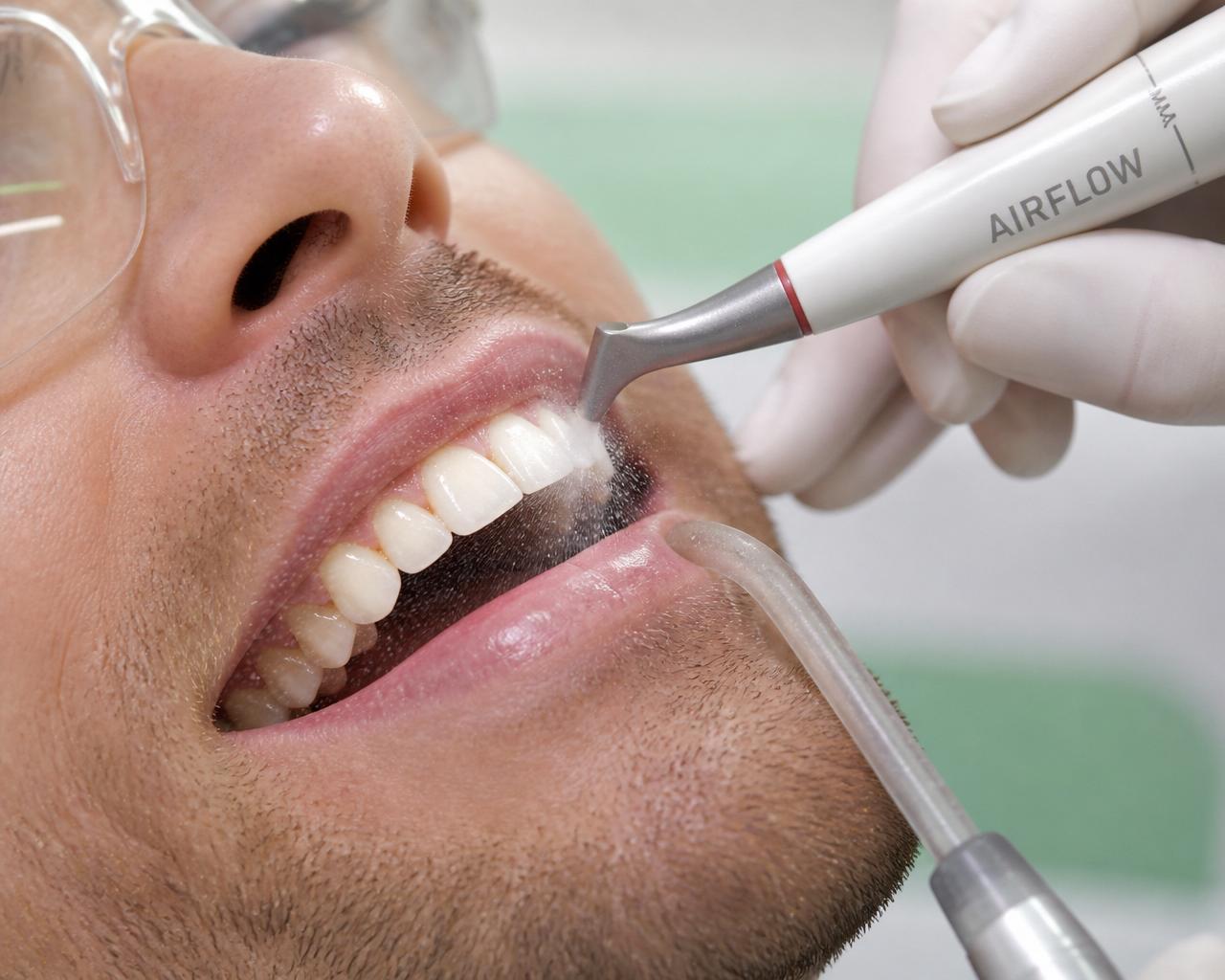
A gentle stream of air, warm water and fine erythritol or sodium bicarbonate powder (depending on indication) removes stubborn external stains comfortably.
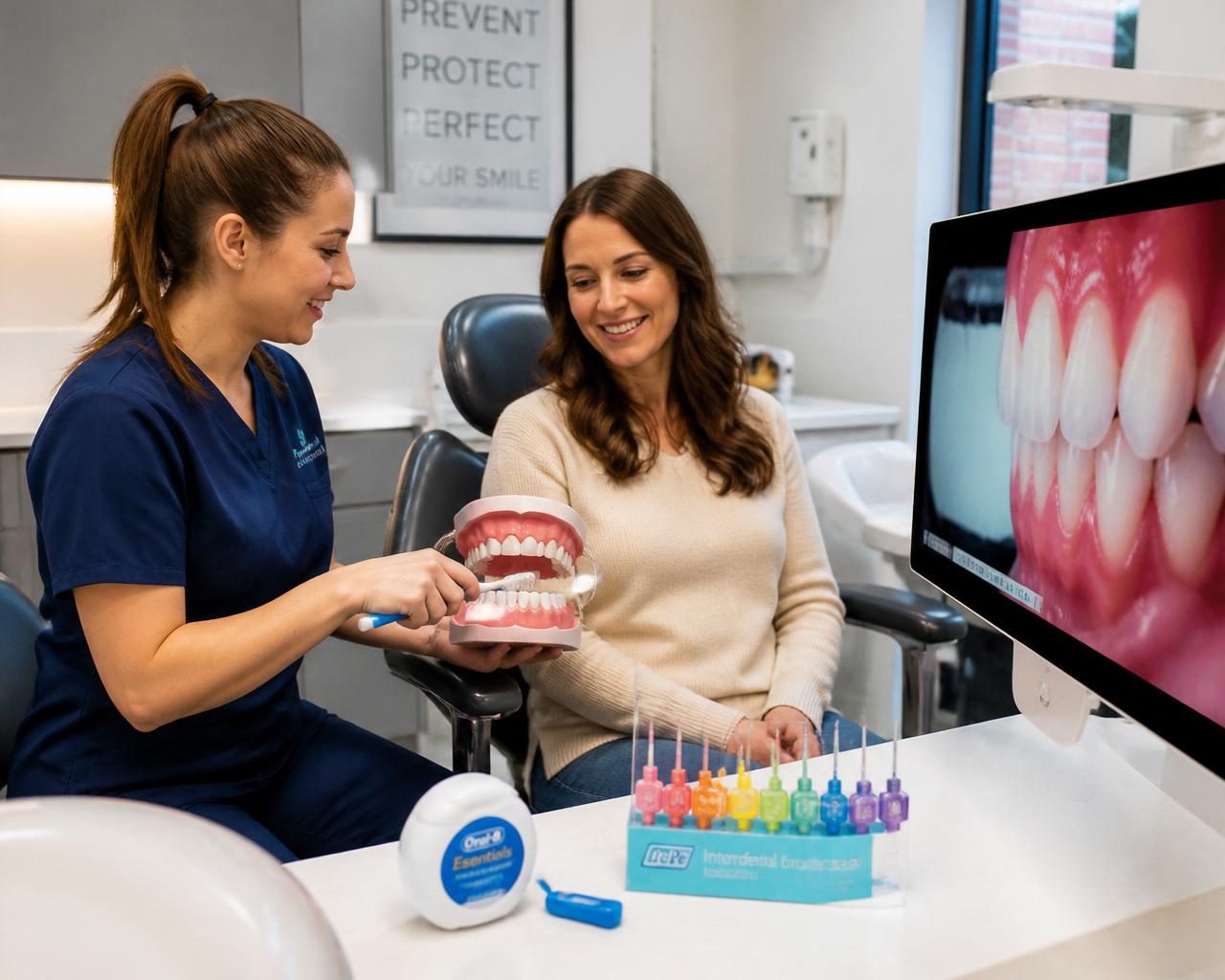
We finish with tailored advice on the tools and techniques that will make the biggest difference to your oral health at home.
Technology
A modern, gentle way to remove biofilm and stubborn external staining — often more comfortable than traditional polishing.
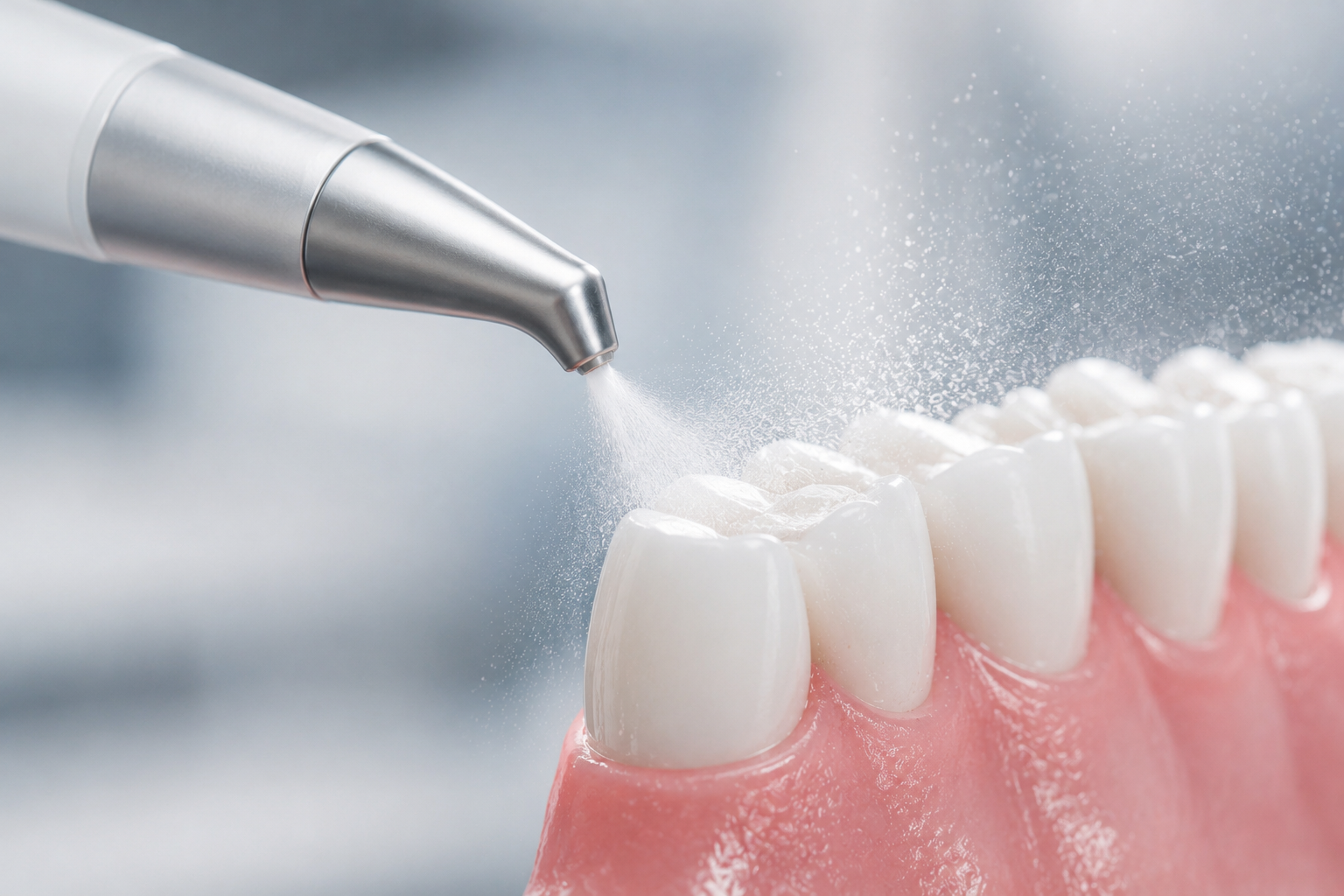
Airflow combines three streams — air, warm water and fine powder — into a gentle spray directed precisely at the tooth surface. It efficiently lifts plaque biofilm and external staining without damaging enamel.
Because the spray is warm and gentle, most patients find Airflow far more comfortable than traditional polishing. It also reaches areas that are difficult to clean — around orthodontic appliances, implants, crowns and bridges.
Compare Treatments
Two complementary treatments. Many patients choose to combine them for the most thorough, comfortable clean.
Hygiene · £85
Hygiene + Airflow · £100
After Your Appointment
It is common to notice some mild cold sensitivity in the days following a hygiene appointment. It usually settles quickly.
At Home
Systematic reviews and professional organisations generally find that electric oscillating-rotating toothbrushes remove more plaque and reduce gingivitis slightly better than manual toothbrushes when used correctly.
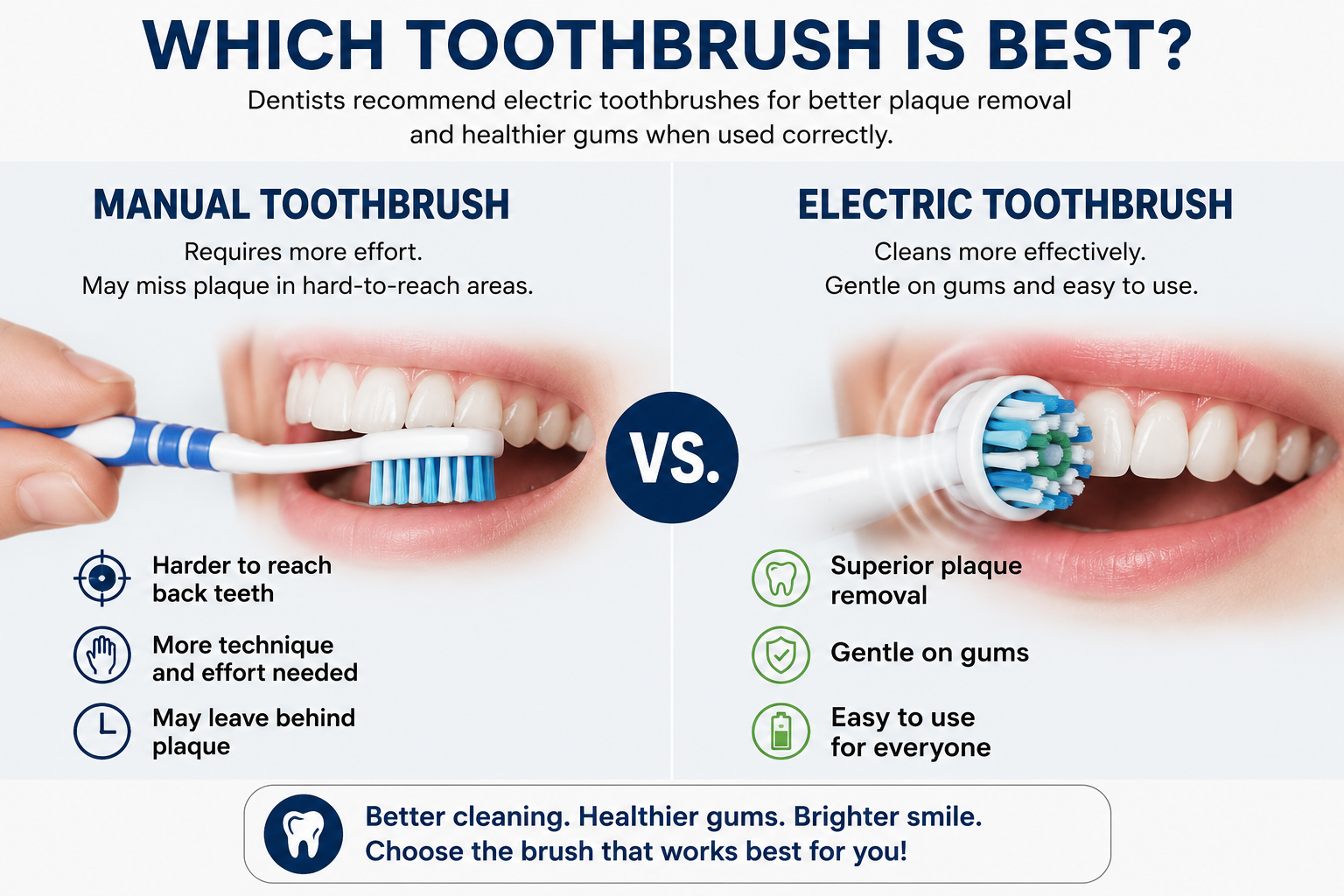
| Manual Toothbrush | Electric Toothbrush |
|---|---|
| Good when used correctly | Excellent plaque removal |
| Technique dependent | Easier to use correctly |
| Harder behind wisdom teeth | Better access to back teeth |
| May encourage shorter brushing | Built-in timer on many models |
| Less expensive | Higher initial cost |
At Dulwich Dental Centre we generally recommend a quality electric toothbrush because it helps many patients clean more effectively — especially around the back teeth, wisdom teeth, bridges, implants and orthodontic appliances. Good technique matters whichever toothbrush you choose.
FAQ
Everything you may want to know about hygiene treatment and Airflow at Dulwich Dental Centre.
Modern hygiene treatment is generally very comfortable. If your gums are inflamed you may feel some tenderness — please let your hygienist know and we can adjust the treatment or use topical anaesthetic gel.
For most healthy adults, every 6 months is ideal. Patients with gum disease, implants or a high risk of staining may benefit from more frequent visits. Your dentist will advise a personalised recall interval.
A hygiene appointment removes external stains from tea, coffee, red wine and smoking, and this can make teeth look noticeably brighter. It does not change the natural colour of your teeth — for that, professional whitening is needed.
No. Airflow uses a fine, gentle powder combined with warm water and air. When used correctly it removes biofilm and stains without damaging enamel or existing dental work.
Bleeding gums are almost always a sign of inflammation caused by plaque and calculus at the gumline. With professional cleaning and improved home care, the bleeding usually resolves within a few weeks.
Healthy gums should not bleed. Occasional bleeding is common but should not be ignored — it is the earliest warning sign of gum disease and is very treatable when caught early.
Yes. Bad breath is often caused by bacteria in plaque, calculus and around the gumline. Professional cleaning combined with good home care significantly improves breath freshness.
Yes. You can eat and drink straight after a hygiene appointment. We usually recommend avoiding strongly staining foods and drinks (coffee, red wine, curry) for a few hours after Airflow to keep the result at its best.
Yes. Airflow with fine erythritol powder is one of the gentlest and most effective ways to clean around dental implants and is safe for the implant surface.
Yes — hygiene treatment is not only safe but especially important during pregnancy, when hormonal changes can make gums more prone to inflammation and bleeding.
Home Care
Simple daily habits that make the biggest difference to long-term oral health.
Morning and last thing at night, for two minutes each time.
Use a fluoride toothpaste appropriate for your age and risk.
Interdental brushes or floss — where a toothbrush cannot reach.
Frequency of sugar matters more than quantity — keep sugar to mealtimes.
Attend recommended check-ups so any changes are picked up early.
Keep your gums healthy with professional cleaning at recommended intervals.
Preventive Care
Book your professional hygiene appointment today at Dulwich Dental Centre — comprehensive scale, polish and Airflow in East Dulwich.